

XO3D Studio · Marketing
Product Marketing: Formats, Uses and the CGI Advantage
The product, told across every channel.
Product marketing is the discipline of positioning, packaging and selling a product to the buyer. For CGI-led brands, that discipline becomes a content system, hero film, packshot library, PDP imagery, social cut-downs, PR stills, retail assets and interactive experiences, all built from one 3D source.
Why CGI-led product marketing
One production. Every marketing surface.
Modern product marketing runs across dozens of surfaces at once, PDP, paid social, homepage hero, PR, retail, email, investor decks. Producing that from a single photo shoot is slow and inflexible. Producing it from a 3D asset is fast, brand-controlled and endlessly reusable.
A consistent product source can connect film, stills and later campaign work. Agree the deliverable list and review requirements for each use rather than treating every version as automatic.
What's covered
The main varieties, in detail.


Advantages
Why brands commission it.
One production. Every channel.
Stills, film, social, interactive, print and retail all built from one 3D asset. No repeat shoots per channel, no continuity drift, one editorial pass covers the whole system.
Review changes before extending the campaign.
New colourway, new campaign environment, new social platform, all handled inside software. The launch keeps optionality without paying for it in reshoots.
Brand control at every touchpoint.
Lighting, camera, colour and material live inside software. Every surface, from PDP still to bumper ad, looks like the same brand system.
Scales across variants and ranges.
A consistent product source can connect film, stills and later campaign work. Agree the deliverable list and review requirements for each use rather than treating every version as automatic.
Ships before manufacture.
Full marketing content can be finalised before the physical product exists, so campaigns run on the marketing calendar rather than the factory calendar.
Trade-offs
What to plan for.
Requires a production-ready 3D asset.
A CGI-led marketing pipeline lives on the source asset. Rushed modelling shows up in every downstream deliverable. Invest in the upfront modelling stage.
Directorial pre-production still matters.
CGI does not remove the need for storyboards, camera language or pacing. Skip pre-production and the campaign looks technically fine but strategically flat.
Sound design and copy are still craft.
Film needs sound. Stills need headlines. CGI removes production friction but does not replace the human craft on top of the image.
Late spec pivots ripple through.
Major changes to product design mid-pipeline can require re-modelling. Locking design at agreed milestones protects the campaign.
01
Product source
Confirm the approved revision, dimensions and material references.
02
Purpose and format
Agree what the audience needs to see and where the work will appear.
03
Review and delivery
Name the reviewers and record the outputs and approval dates.
Process
How the work is produced.
- STAGE 1
Campaign brief.
Story, audience, timeline, deliverable set and success metrics agreed. This becomes the plan for every downstream stage.
- STAGE 2
Source asset.
A production-ready 3D asset is built or reused. Topology, materials and hierarchy set up for reuse across the whole marketing set.
- STAGE 3
Directed content pass.
Hero stills, campaign film, social cut-downs, interactive assets and PDP stills all directed from the same source. Consistent brand look throughout.
- STAGE 4
Reviews and iteration.
Structured review milestones, animatic sign-off, stills library approval, cut-down QA. Iteration lands in the right place, not everywhere.
- STAGE 5
Delivery.
Master files, platform encodes, PDP-ready assets and interactive embeds delivered on the campaign schedule.
- STAGE 6
Refresh and extend.
Approved product assets can support later campaign versions. Review new messages, compositions and product changes before producing the next set of outputs.
Who commissions product marketing
Built for teams shipping the campaign.
Brand marketing directors and CMOs running campaigns across PDP, PR, paid and retail. Product marketing leads at consumer, industrial and premium hardware brands.
Advertising and design agencies delivering integrated launch briefs. In-house creative teams scaling PDP experience and range extensions.
Case studies
Recent work.


Petalite EV charger campaign. Hero stills, film, exploded animation and lifestyle composites, all from one build.
View case study


Sony WF-C710 wireless earphones campaign. Packshot stills, launch animation and vertical social cut-downs from a single CGI asset.
View case study

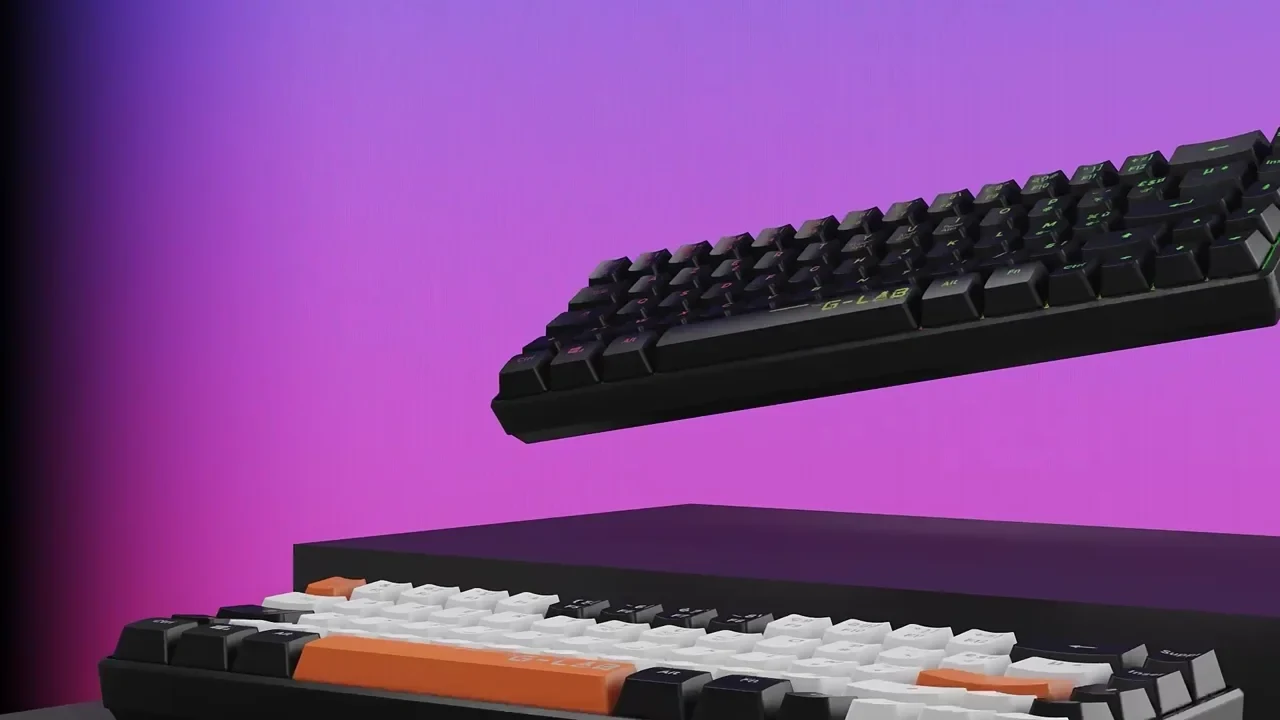
G-Lab gaming keyboard campaign. Hero film, exploded animation, ecommerce stills and social cut-downs from one source.
View case studyTestimonial
The team at XO3D were a pleasure to work with on one of our big product launches. They rendered, batched, and saved out literally thousands of images for us. Every single one came out perfect.
For a commercial brief, define the campaign moment, audience and channel plan first, then scope director-led launch visuals around that job. For the underlying disciplines, see the 3D rendering hub, 3D animation hub and product AR guide.

FAQ
Common questions, answered.
What formats belong in a modern product marketing set?
Hero stills, campaign film, PDP packshot library, colourway sweeps, macro details, social cut-downs, interactive AR or configurator and print or retail assets. Exact mix depends on channel plan and launch scale.
Can product marketing be produced from CGI alone?
For product-focused campaigns, yes, in most cases. Where the story is human context or lifestyle-first, hybrid live-action-plus-CGI is often the right call, with the product rendered as a CGI insert.
How can product assets support later marketing?
Approved geometry and material references can provide a starting point for later work. New variants, environments and edits still need scoping, creative direction and review.
How long does a product marketing set take?
A full CGI-led marketing set is typically 6 to 12 weeks depending on scope, product complexity and the number of runtimes and interactives.


Your next project
Plan the product story across releases.
Map which messages stay consistent and which change between campaigns. An approved product asset can support later work, with each new use scoped and reviewed.
A route to consider
Visual Content Partnership
Ongoing creative direction and production for a defined sequence of campaigns, product updates and agreed deliverables.
Bring these three things.
- Which launches or updates are planned?
- Which messages and product details remain constant?
- Who owns campaign approval?
Start with an outline. We review the product, intended outputs and timing before agreeing the production scope.