
Studio programme
Brand motion. Built around the product.
XO3D directs a distinctive motion language for product brands across logo reveals, campaign films, idents and repeatable content.
Discuss your motion systemSelected clients








Sony work via ImageNova. Ferrari and Burberry work via KCD.
A brand should still feel like itself when it starts moving.
Brand Motion turns an existing visual identity into a practical motion language for launch films, product sequences, campaign cutdowns and digital touchpoints. The aim is not to add movement for its own sake. It is to make every transition, reveal and camera decision recognisably yours.
XO3D combines motion design with product CGI, so the brand system and the product story are developed together. The logo reveal, material behaviour, lighting, edit rhythm and product movement share one direction instead of feeling assembled by separate suppliers.
The aim is a repeatable system that can guide a flagship film today and help keep later product content consistent as the campaign grows. How far it is documented for later use is agreed in the scope.
Case study: ROEST
ROEST: one direction across four outputs.
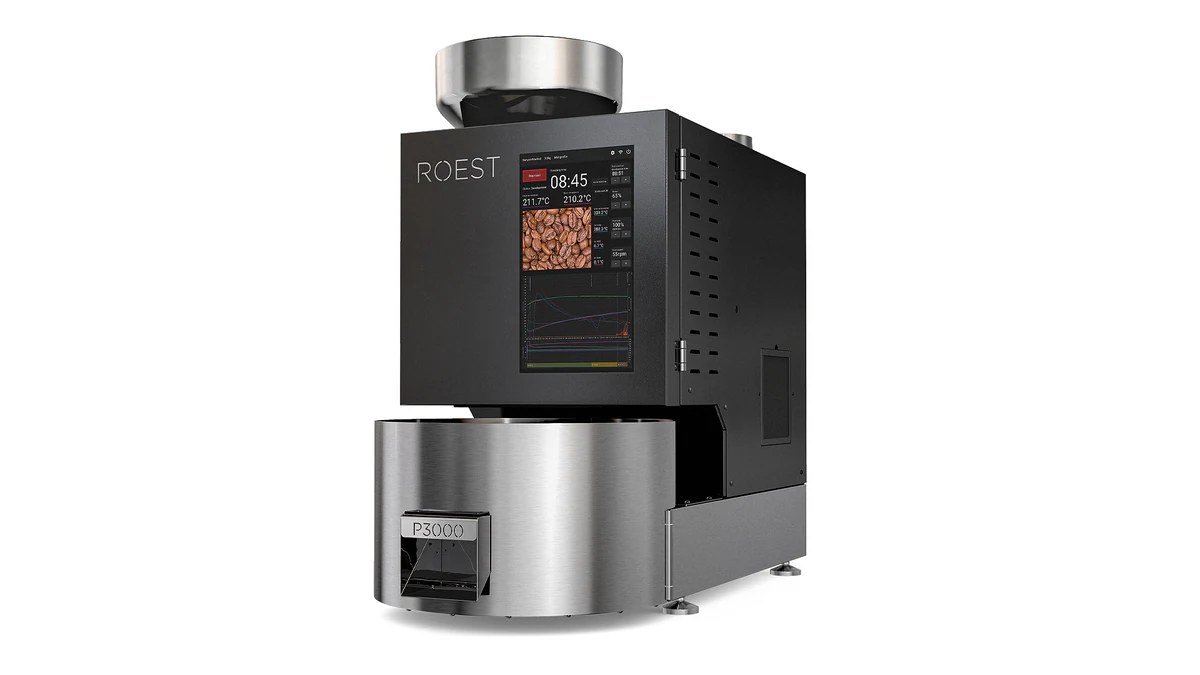
For ROEST's P3000 coffee roaster, XO3D produced a 34-second product film and a set of shorter assets from one Master Asset. Four of them show how a single direction carries across different jobs. Each frame below links to the ROEST case study, where the clips play.
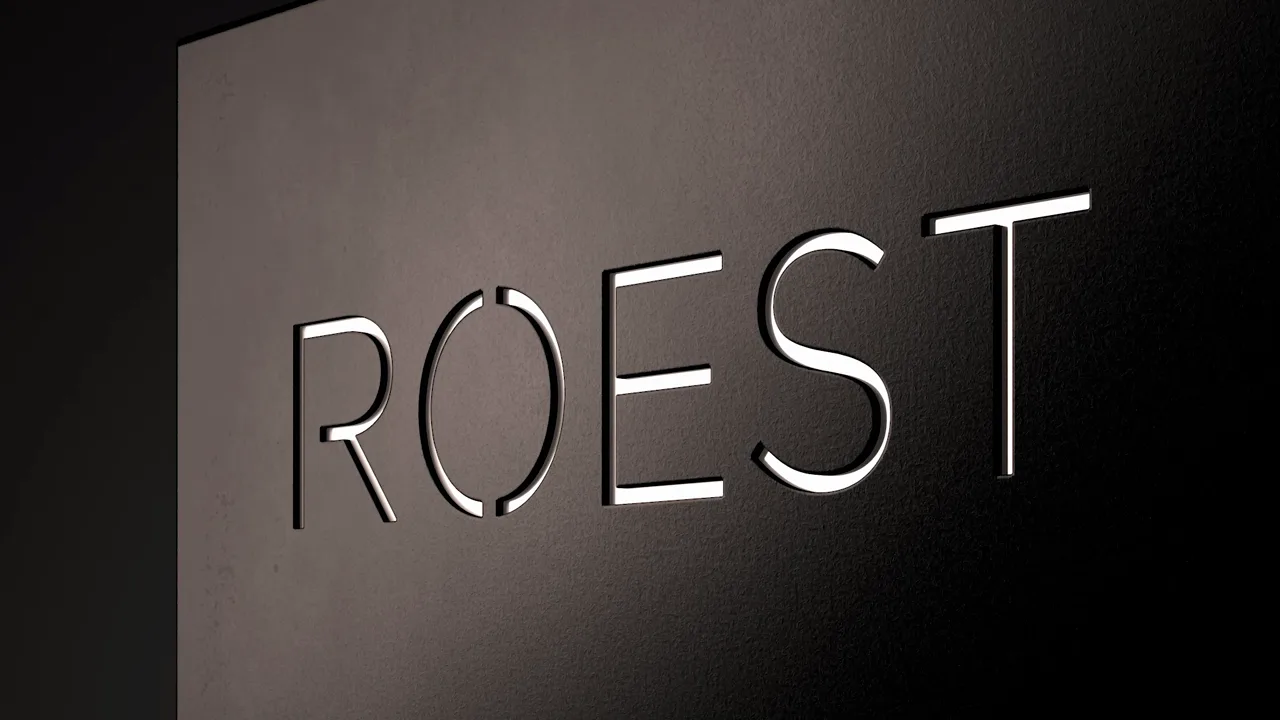
Logo reveal Opens the film. A tight move on the ROEST logo anchors the brand before the product story starts. 
Hopper reveal Product detail. Macro light across the hopper says engineering quality and starts the roasting journey. 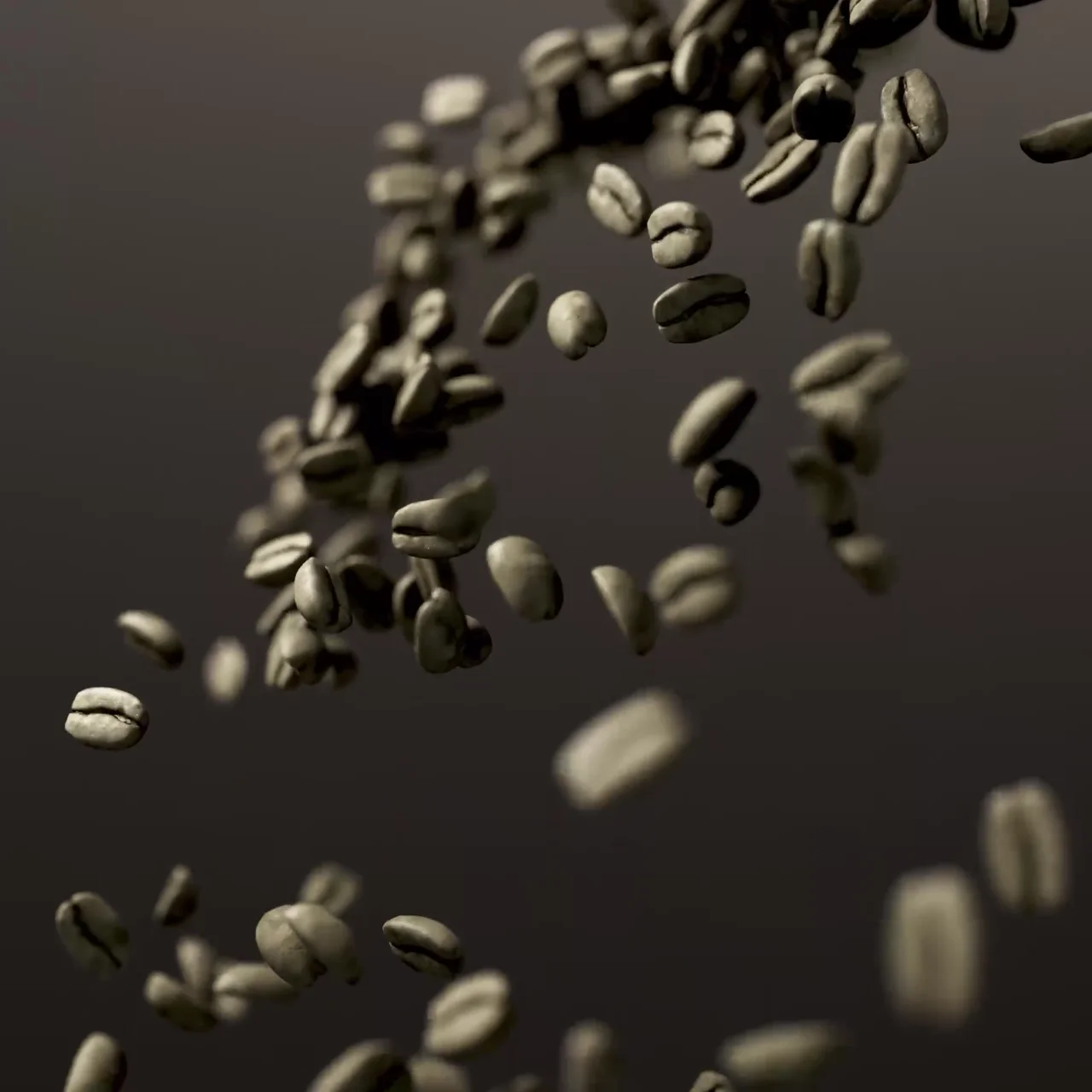
Square pour Social. A square-format pour shot, short and looping, built for social feeds. 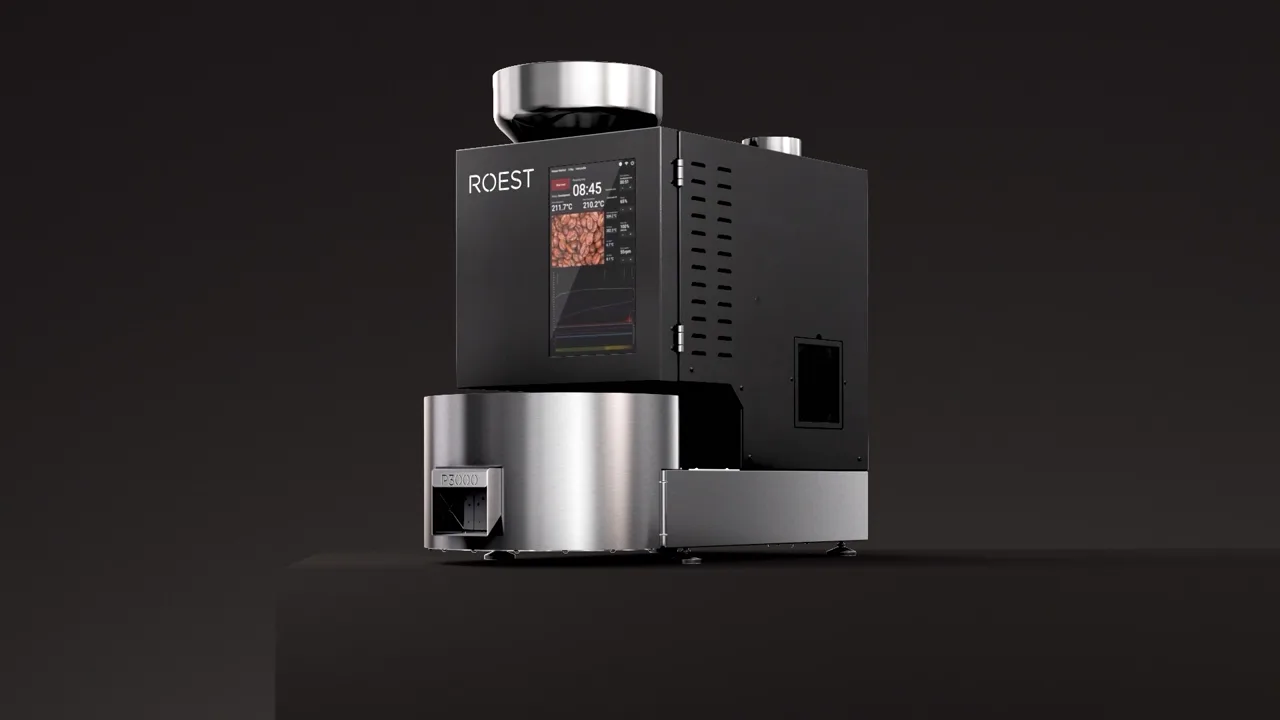
Product film The hero film. 34 seconds covering loading, roasting and cooling, from the same direction as the shorter assets.
Director's approach
Define the rules before making the moves.
We begin with the brand strategy, visual identity, product truth and the moments the audience must remember. From that foundation we define pace, transitions, camera behaviour, material treatment, typography behaviour and sound cues.
Those rules give the creative team freedom without losing consistency. They also create a practical reference for future films, cutdowns and channel formats.
Why it works
Why brands use brand motion studio.
Make motion recognisably yours.
Build a repeatable movement, transition and timing language around the identity instead of relying on generic animation conventions.
Connect brand and product.
Direct logo, type, materials, camera and product movement as one system so the campaign feels intentional from the first frame.
Scale across channels.
Carry the same motion principles into hero films, social edits, launch screens, idents and always-on content.
Give future production a clear standard.
Agree a motion foundation intended to make later briefs easier to direct and keep consistent.
What we deliver
Scope the right outputs.
Logo Reveals and Brand Idents
Short, distinctive brand moments for film openings, end frames, event screens and digital placements. Designed around the identity rather than added after the product film is finished.
Product Motion Language
Camera behaviour, reveals, transitions and material moments that express the brand through the product itself.
Campaign Motion Systems
A coherent set of hero sequences, social cutdowns, loops and launch-screen assets produced from one directed motion foundation.
Website Motion
Brand motion built for a website, from hero loops to product moments. Shown here: a website animation preview for VivaCity.
Grey-to-Render Reveals
A product resolving from an untextured grey model into its finished render. Shown here for Dermalux Compact MD. The grey stage shows form and composition on their own; the render adds material, colour and light. A buyer might use the comparison in a launch, a trade-show loop or an investor deck, to show that the product was built and lit, not photographed. See it in the Compact MD case study.
Who it is for
For teams building a brand that has to live in motion.
For Brand Directors, Creative Directors, design agencies and product marketing teams launching or refreshing a physical product brand.
Brand Motion is most useful when the identity must work across a flagship film and a growing set of campaign formats, without losing the character that made the brand distinctive.
Case studies
Selected brand motion studio work.

A brand-led product film and content suite for the P3000 coffee roaster, combining a close-up logo reveal, product storytelling and repeatable social formats.
View case study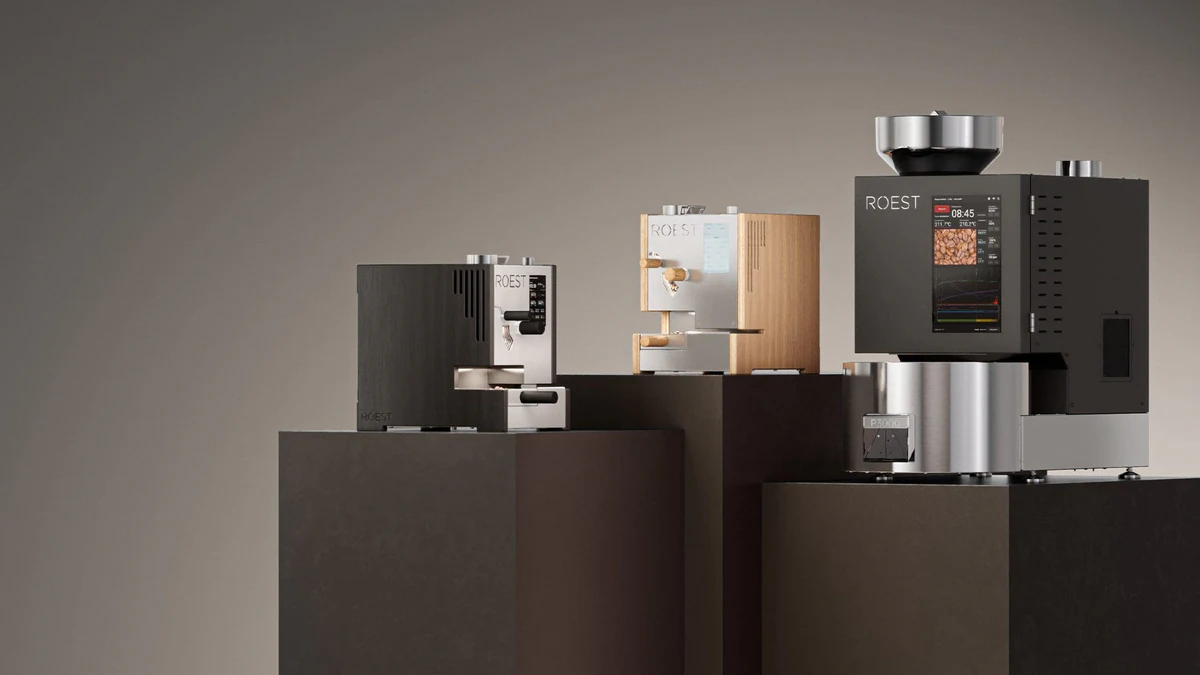
Process
Our brand motion studio process.
- 01
Read the brand and the brief.
We establish the identity rules, audience, product truth, campaign moment and every channel the system must serve.
- 02
Direct the motion principles.
We define pace, transitions, camera behaviour, typography movement, material treatment and sound direction.
- 03
Build the hero expression.
The principal logo, product or campaign sequence proves the system through structured creative reviews.
- 04
Scale and document.
Approved principles are applied across the required formats, and documented to the level agreed in the scope.
Why XO3D
Brand direction and product CGI in one studio.
A director remains accountable.
The brand argument stays connected from the first reference through the final grade.
The product is part of the identity.
Motion is designed around the real product, its materials and the way it needs to be understood.
Planned to outlast the first film.
Deliverables are scoped as a repeatable language, not a single isolated animation.
Production stays coherent.
Logo, product, edit and channel formats are made inside one directed CGI pipeline.
Motion principles
A motion design system is a written set of rules for how a brand moves: how fast, how the camera behaves, how things appear and change, and what you hear. It is what lets a second film, made months later, feel like the first.
The card below is a blank template, not ROEST’s rules or any client’s. It shows the six areas a set of motion principles usually covers, and the question each one answers. Your rules are written with you, from your identity and product.
| Principle | The question it answers | Your rule |
|---|---|---|
| Pace | How long do shots hold, and how quickly does the edit move? | To be written |
| Camera | Does the camera glide, orbit, push in or stay still? | To be written |
| Easing | Do movements start and stop softly, or with a snap? | To be written |
| Reveal | How does the product or logo first appear? | To be written |
| Transition | How does one shot hand over to the next? | To be written |
| Sound | What carries the rhythm, and what happens with the sound off? | To be written |
Working with your brand agency
A brand in motion should stay recognisable across product films, social and web, whoever produces each piece. Where an agency owns the identity, the work runs like this:
- Receive the approved identity. The agency supplies the signed-off identity assets and product references.
- Agree roles and approvals. Decide who directs the motion, who approves brand decisions and who approves product accuracy.
- Prove a hero expression. One principal sequence, such as a logo reveal or product film, tests the principles before they spread.
- Deliver the agreed versions. The specific formats, cuts and documentation named in the scope.
See Product CGI production for agencies for how that partnership works, or review the production process stage by stage.
Before you brief
Two free XO3D Labs tools can help you prepare. Review consistency across your films with a guided self-assessment of two or three existing videos; it uses your own ratings and does not analyse the footage. Explore a product CGI style for a first creative direction, not a fixed art direction.
When you are ready, bring your current identity assets, product references, the channels the motion must serve and the name of the person who approves it. Prepare a product CGI brief with the template, then discuss your motion system with us.
See the thinking behind sound design for product films and how a Visual Content Partnership carries one approved visual direction into ongoing content.
FAQ
Common questions, answered.
What is Brand Motion?
Is Brand Motion the same as a product animation?
Can XO3D work with our design or brand agency?
What do you need to begin?
Can the motion system support future products?
What documentation comes with a motion system?
Do the films work with the sound off?
Other product services
There's more.
Your next project
Define a motion language.
Use timing, transitions and sound to connect the product to its identity. Agree where that language appears and which elements need to work without sound.
A route to consider
Brand Motion
A motion language that connects product, identity, timing and sound across the agreed campaign formats.
Bring these three things.
- What should the motion communicate?
- Which identity assets are approved?
- Where will the system be applied?
5.0 from 76 Google reviewsLovie Awards 2026: Bronze and People's Lovie
Pick a time that suits you. Open the calendar on its own page
Start with an outline. We review the product, intended outputs and timing before agreeing the production scope.
About the studio
XO3D is a director-led product CGI studio. Founded by Thomas Howcroft in 2017 and incorporated as XO3D Ltd (UK Companies House 11876020) in 2019, when Alex Mann joined as co-founder. Based at the Business and Technology Centre in Stevenage, UK, with representation at 244 Fifth Avenue, New York. We work with tech, industrial and premium consumer brands on product films, launch stills and interactive experiences.