
Petalite
Visualising 1,000kW EV Charger Technology.
XO3D’s films and stills for Petalite’s 1MW EV charging system, built from evolving CAD and made for investor and stakeholder presentations.
Hero film
The full hero film.
The 31-second EV charger animation for Petalite’s 1MW EV charging system. Watch the Petalite film on its own page.
The brief
Launch a multi-site infrastructure product before a single unit was built.
Petalite needed to demonstrate the various key features of their 1,000kW SDC charging technology to global stakeholders while the product design was still in active development. The brief sits directly within XO3D’s EV and cleantech CGI work and XO3D’s pre-manufacture visualisation capability.
We transformed complex engineering CAD data through our Technical CGI process into a high-fidelity narrative using Physically Based Rendering (PBR) materials and custom ray tracing lighting rigs, showcasing modular scalability that photography simply couldn’t capture. See how the model was built, from greycard to final render.
From white-box renders to cinematic animations, we built a launch visual system that could communicate complex energy management to global stakeholders before a single physical unit was even manufactured. New to product CGI? Start here.
Brief to output
The design was still changing.
This is a historical case: a 1MW EV charging system launch, delivered as films and stills while the CAD was still changing.
Petalite’s charger was in active development during production. As the studio commentary below records, the design changed and the assets were updated to follow the latest engineering iteration. The suite still had to work as a set, so the films and the stills were made from the same rebuilt model.
This page records what was made. It does not give a release date, an investor response or a technical certification. Plan visuals before manufacture, or explore technical product CGI.
Project answer
Why use CGI for this project?
- What we made
XO3D created investor-ready animation and CGI for Petalite's 1MW electric-vehicle charging system from evolving CAD.
- Why CGI
The charger was still in active development and had not been manufactured, so CGI could explain its modular system and cable motion before a physical unit existed.
- What was delivered
Petalite received white-box renders, cinematic animation and a high-fidelity visual system for global stakeholders.
Film gallery
See this project in motion.
Deliverables
The asset suite, as delivered.
Built from one Master Asset. Web, social, trade-show, paid media and investor presentation CGI use was the plan; this page does not record where each output ran.
2× 4K Engineering Animation.
Cinematic films built to communicate function, scale and modular logic to global stakeholders.
HD Homepage Animation.
Looping hero film optimised for web, designed to set the tone the moment the page loads.
2× 4K Explainer Animation.
Instructional sequences breaking down driver experience, cable behaviour and UI flow with clarity.
6× 6K Lifestyle Stills.
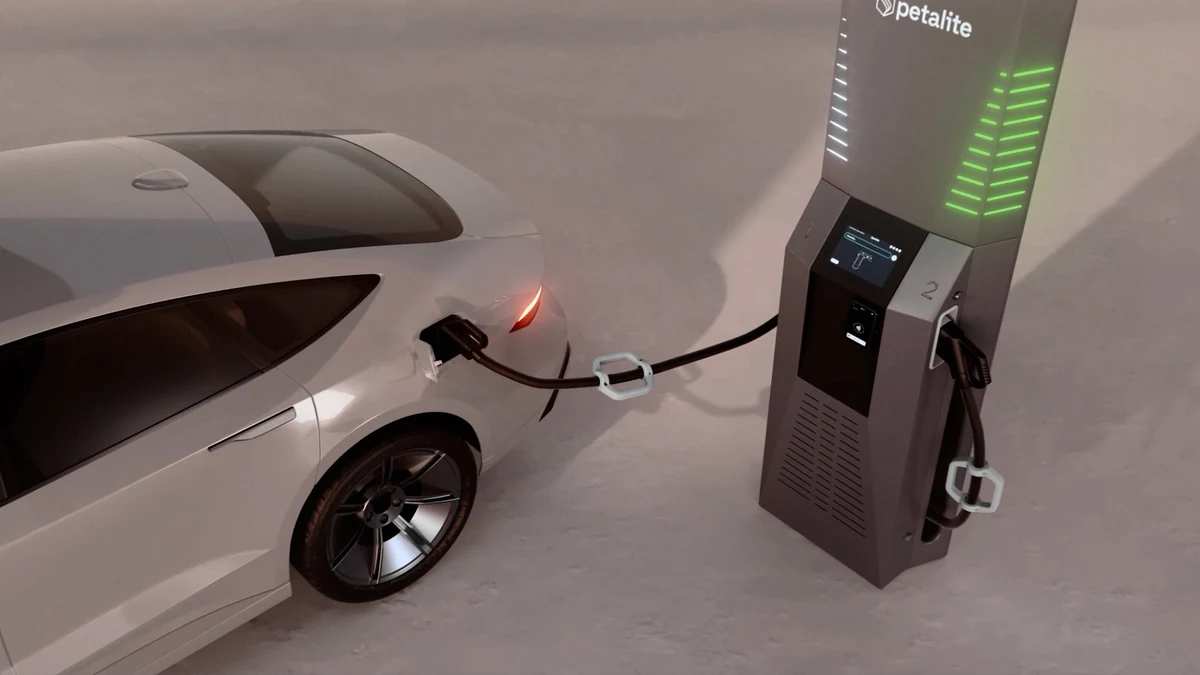
Context-rich renders placing the system in real-world environments at high resolution.
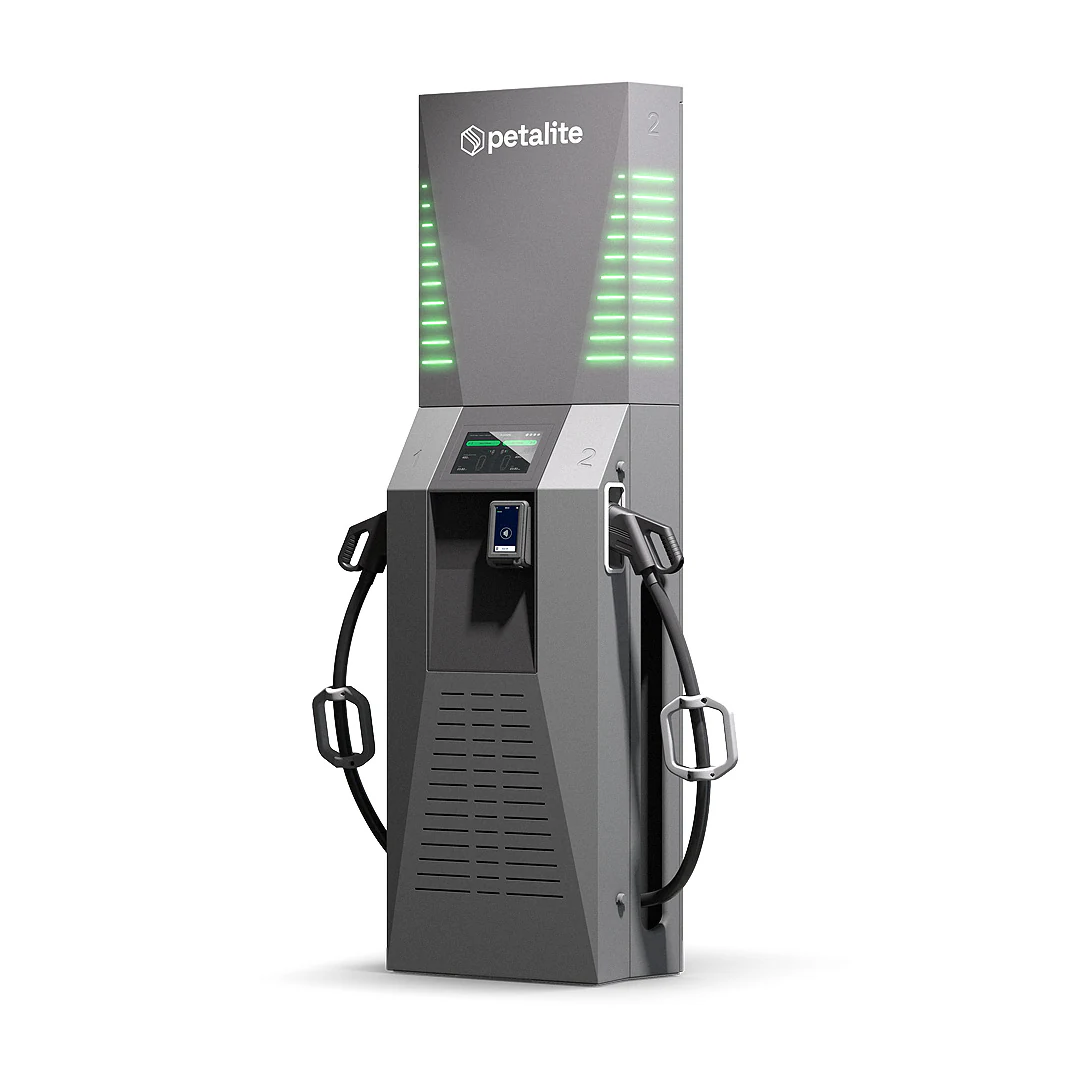
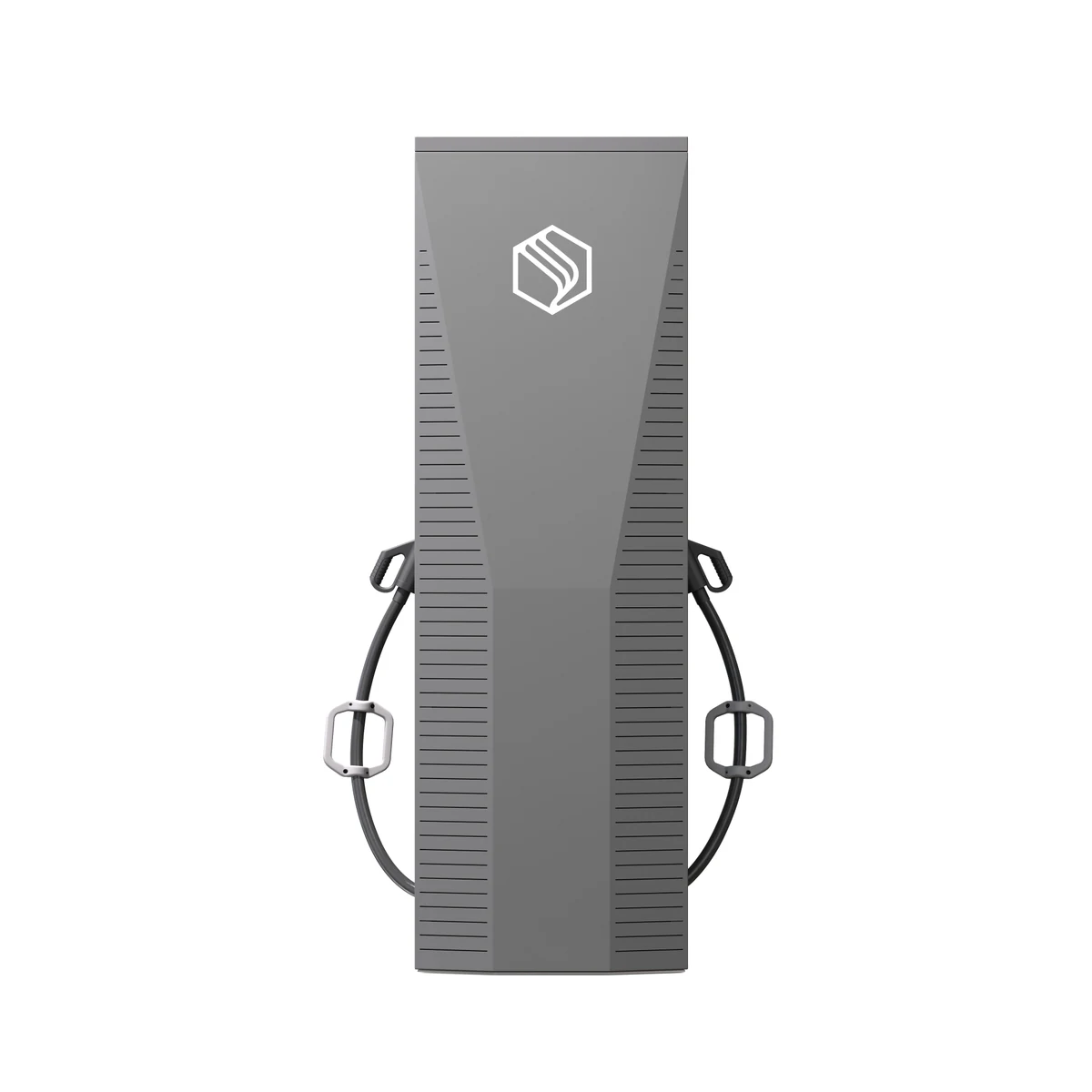
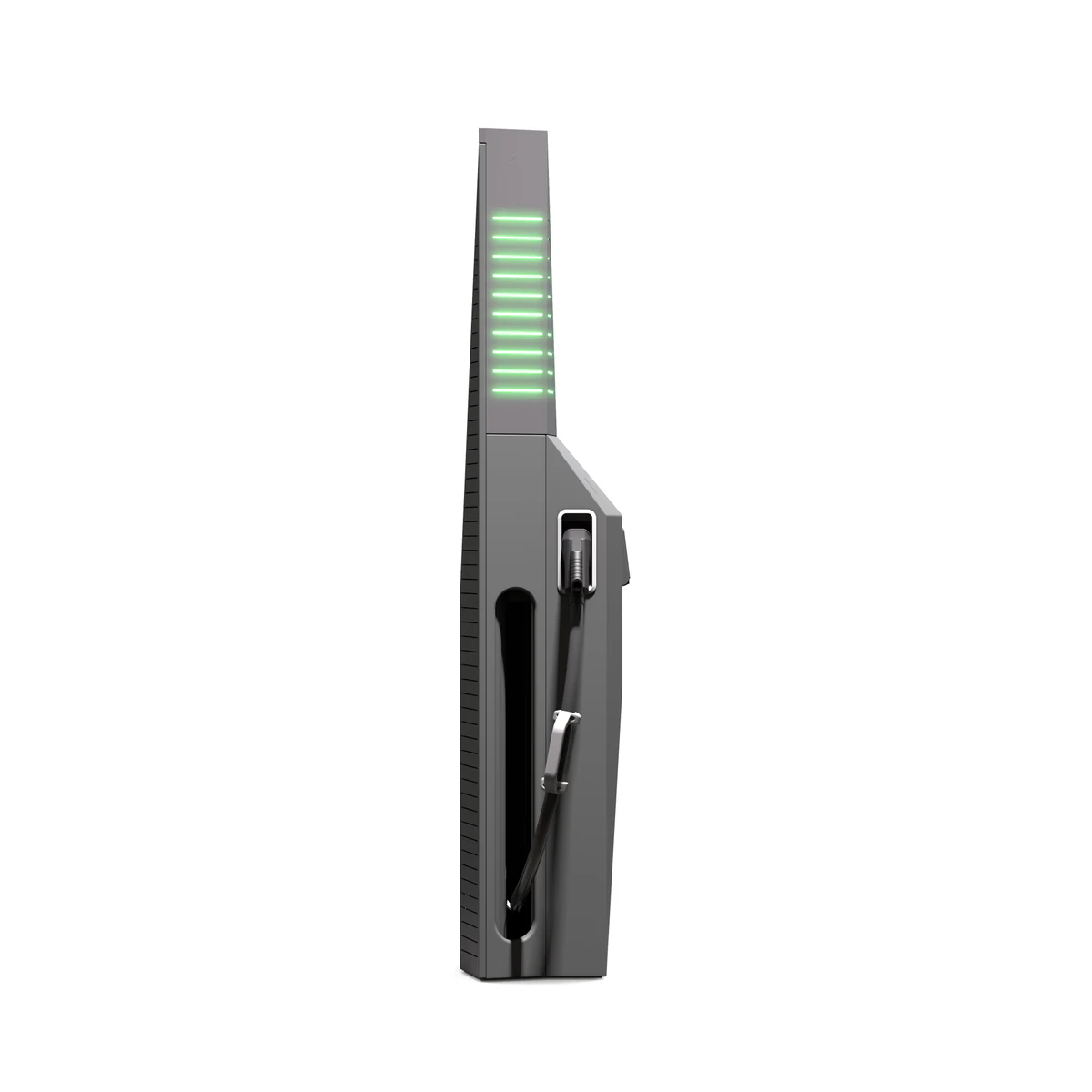
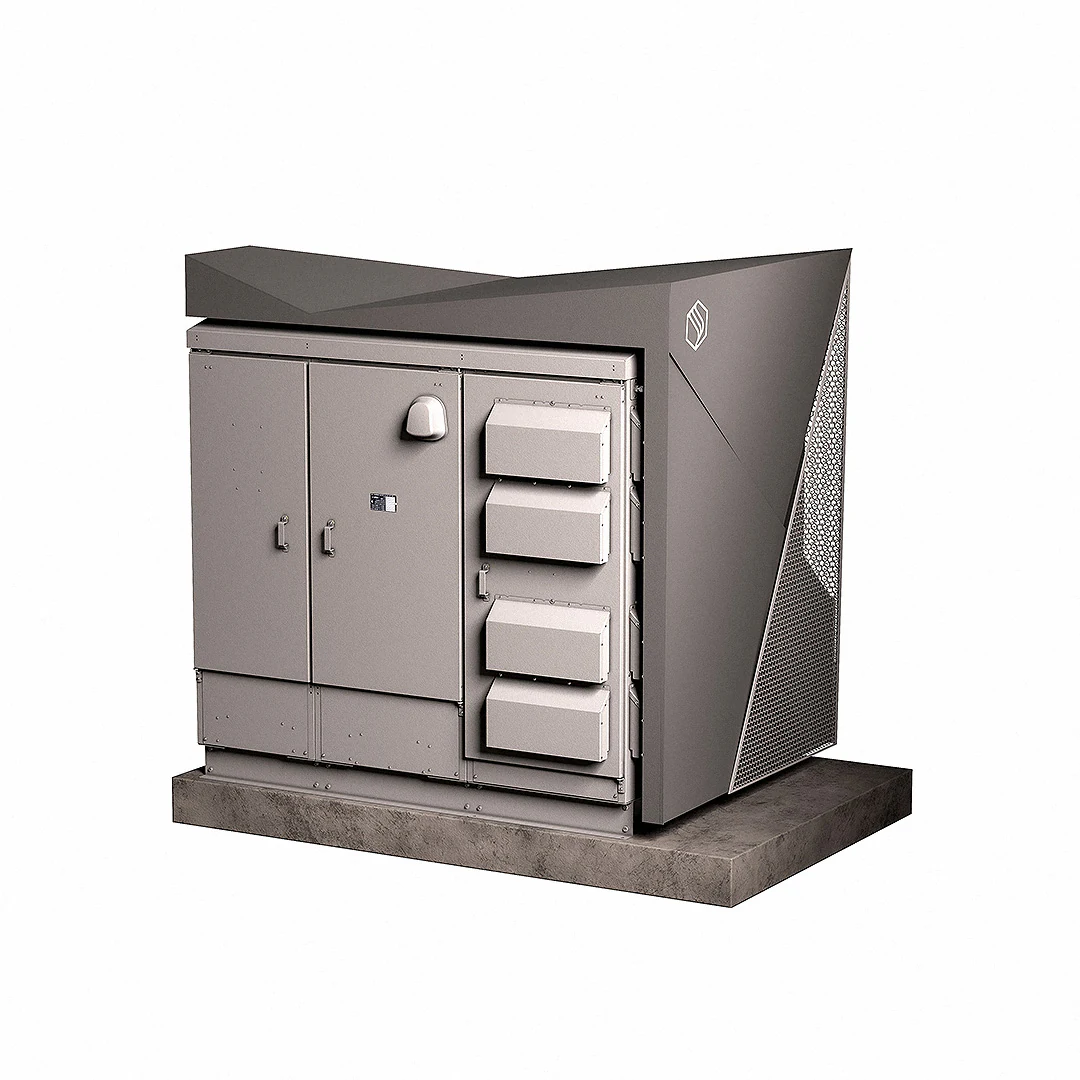
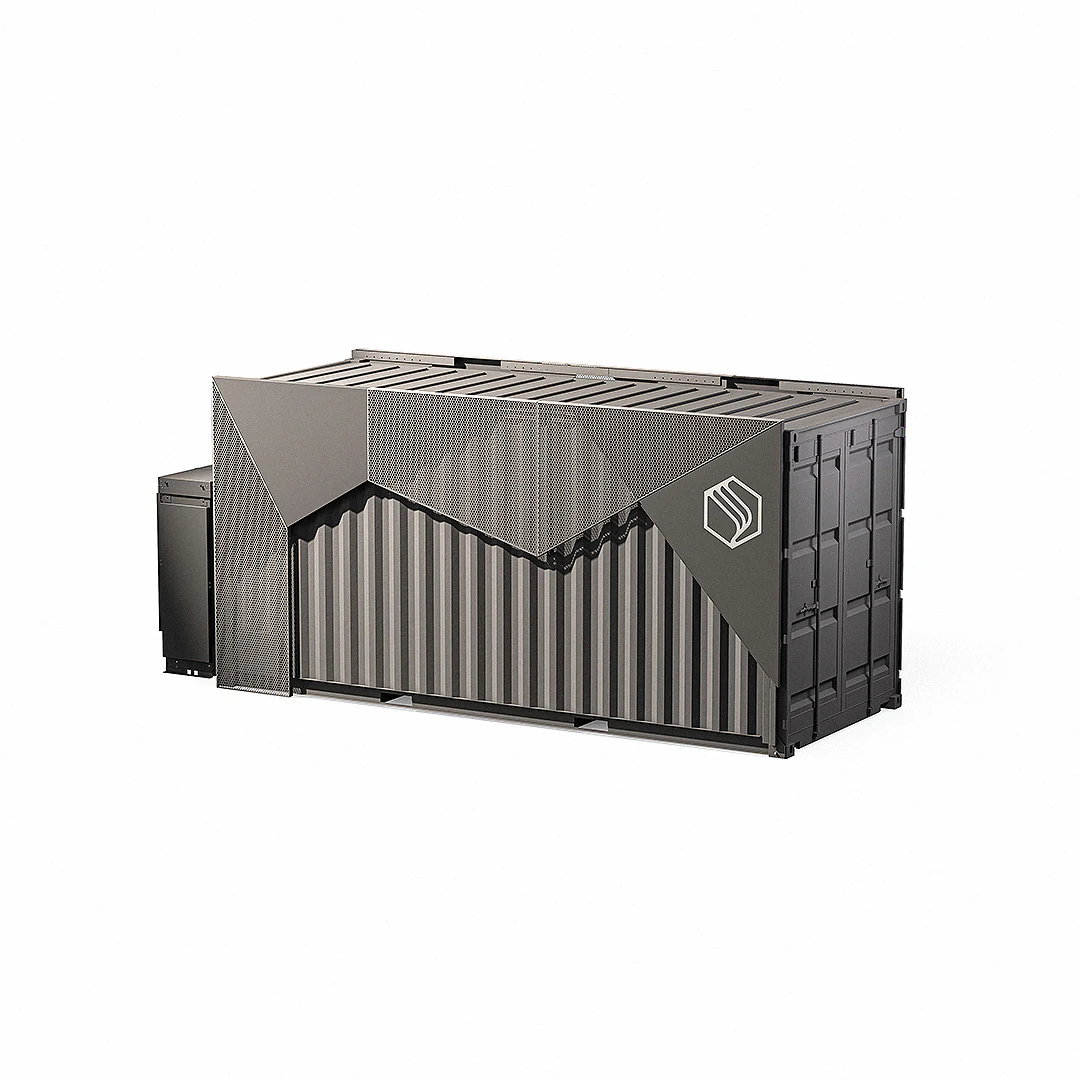
7× 4K Studio Renders.
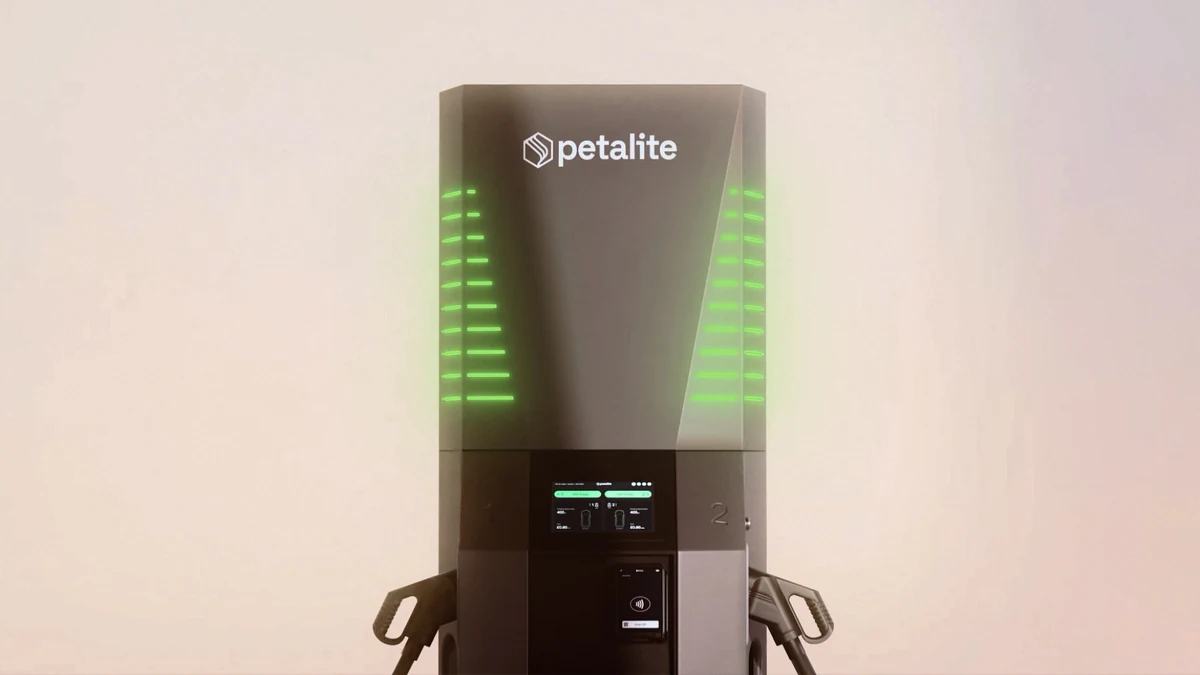
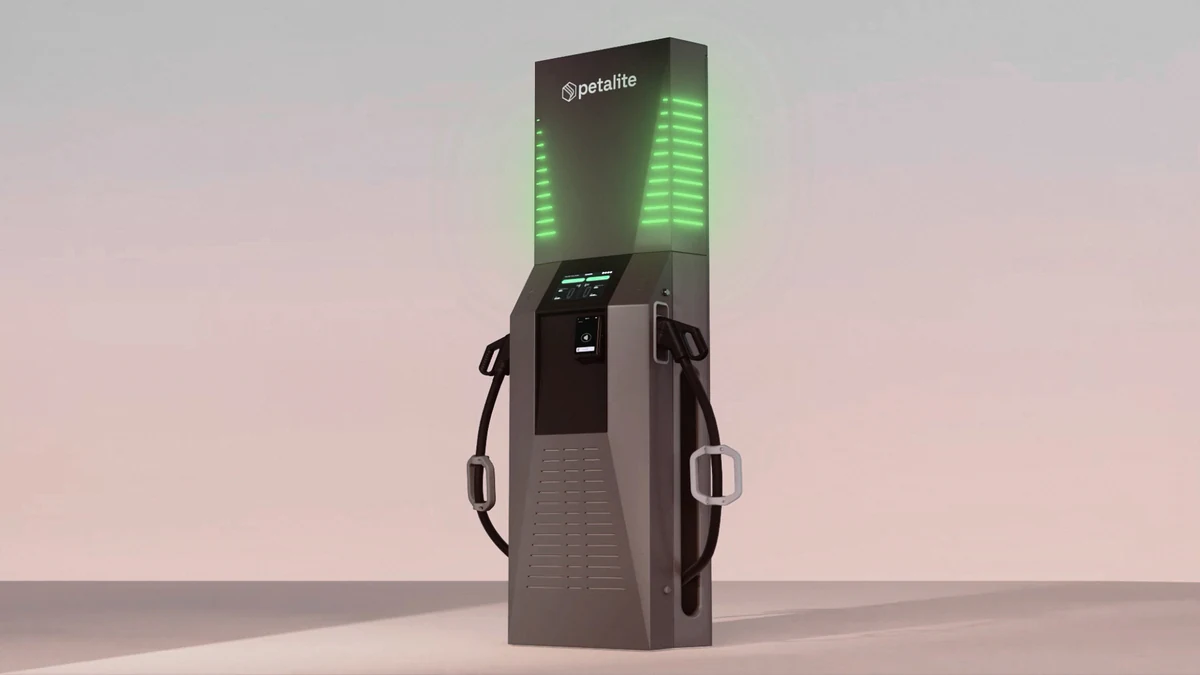
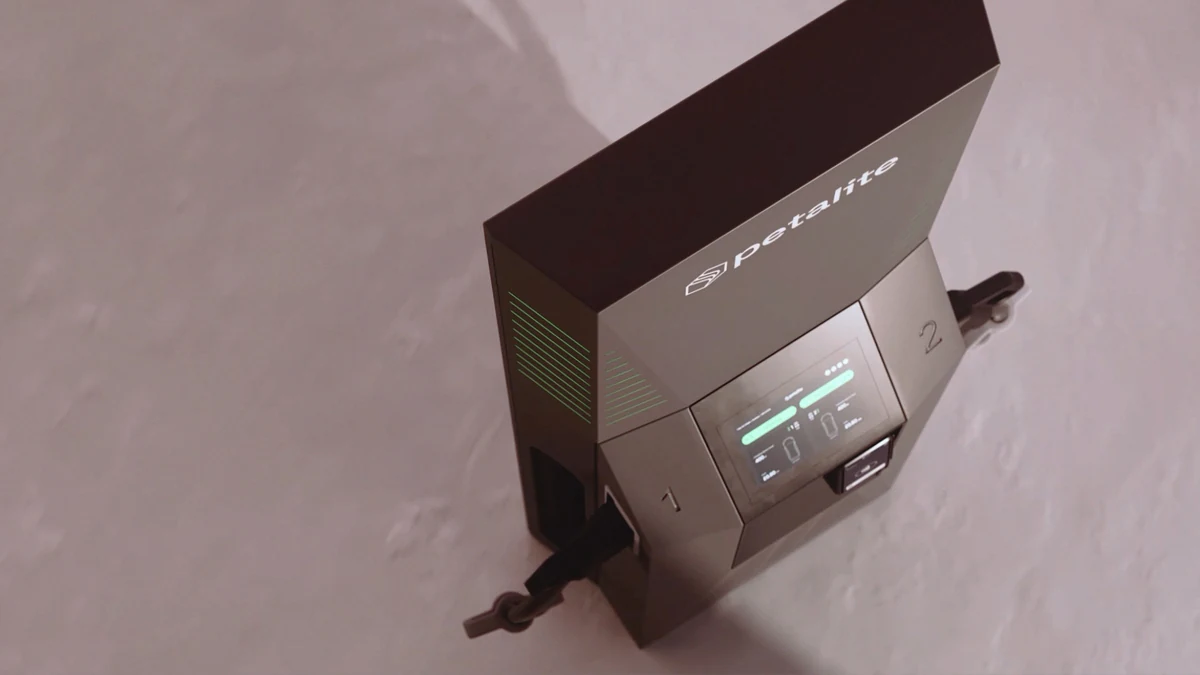
Clean product hero shots of each face of the charge post and the SDC cabinet.
Vertical Social Cuts.
Platform-native crops engineered for paid social and stories, never an afterthought.
In total, the Master Asset produced five animations and 13 stills, plus vertical cuts for social, across three aspect ratios: 16:9, 1:1 and 9:16. The 31-second launch film was finished in 4K.
| Output | Count and format | What it is | Use |
|---|---|---|---|
| EV charger animation: engineering films | 2, in 4K | Film | Explaining function, scale and modular logic to stakeholders (intended) |
| EV charger animation: homepage loop | 1, in HD | Looping film | Website hero section (intended) |
| EV charging system explainers | 2, in 4K | Film | Driver experience, cable behaviour and interface flow (intended) |
| EV charging system lifestyle stills | 6, in 6K | Still | Web, decks and presentations (intended) |
| EV charging system studio renders | 7, in 4K | Still | Product pages and catalogue views (intended) |
| Vertical social cuts | Not counted on this page | Reframed film shots | Paid social and stories (intended) |
All of these come from one master scene. A film is a rendered sequence, a still is a single rendered frame, and a vertical cut reframes a film shot for a 9:16 screen. The count of outputs is not a count of places they were published.
Selected work
The film, the loops, the lifestyle.
Each output earned its place in the launch, from cinematic hero films through to platform-native vertical cuts.
Cinematic product reveal.
A controlled, deliberate camera move that introduces the 1MW charger, its materials and its proportions.
Post Max product film.
A full product showcase film built from the supplied CAD, with surface finishes, panel lines and connection points rendered in detail.
Web-ready homepage loops.
Short, atmospheric loops made for website hero sections, setting the tone from the first frame.
Alternate hero composition.
A second loop variation, in the same visual language from a different angle, giving the marketing team a choice of hero.
Real-world scale and context.
Charger composited with a vehicle to communicate scale, proportion and driver interaction, turning a technical product into an installed experience.
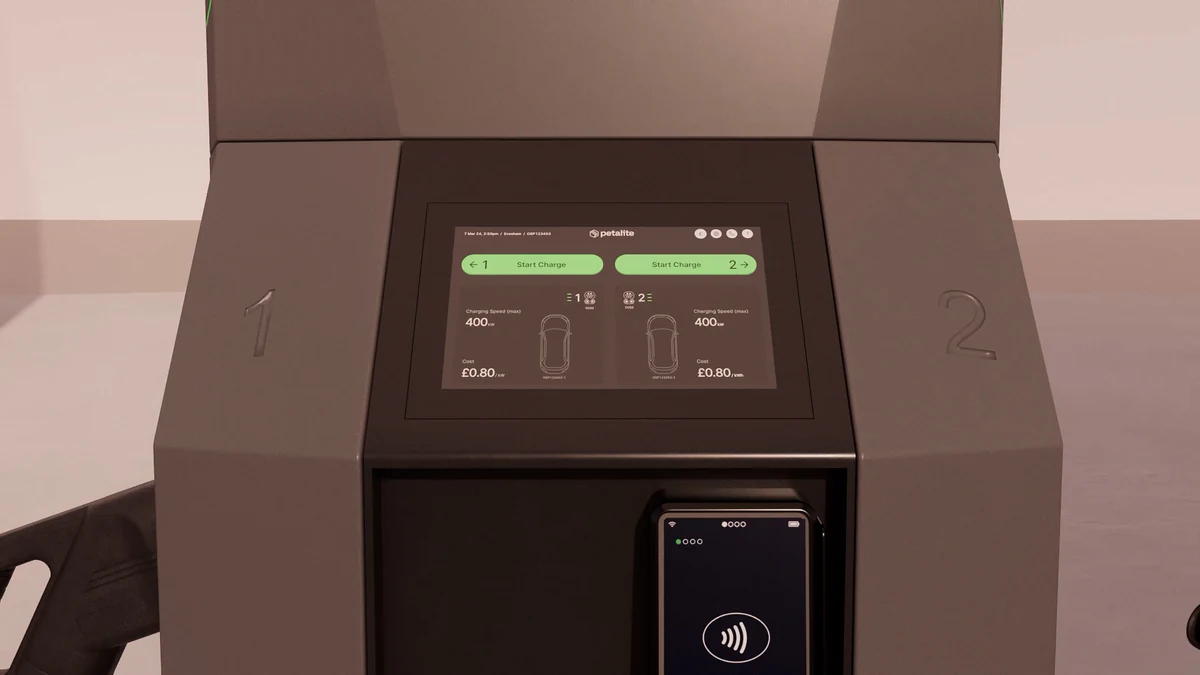
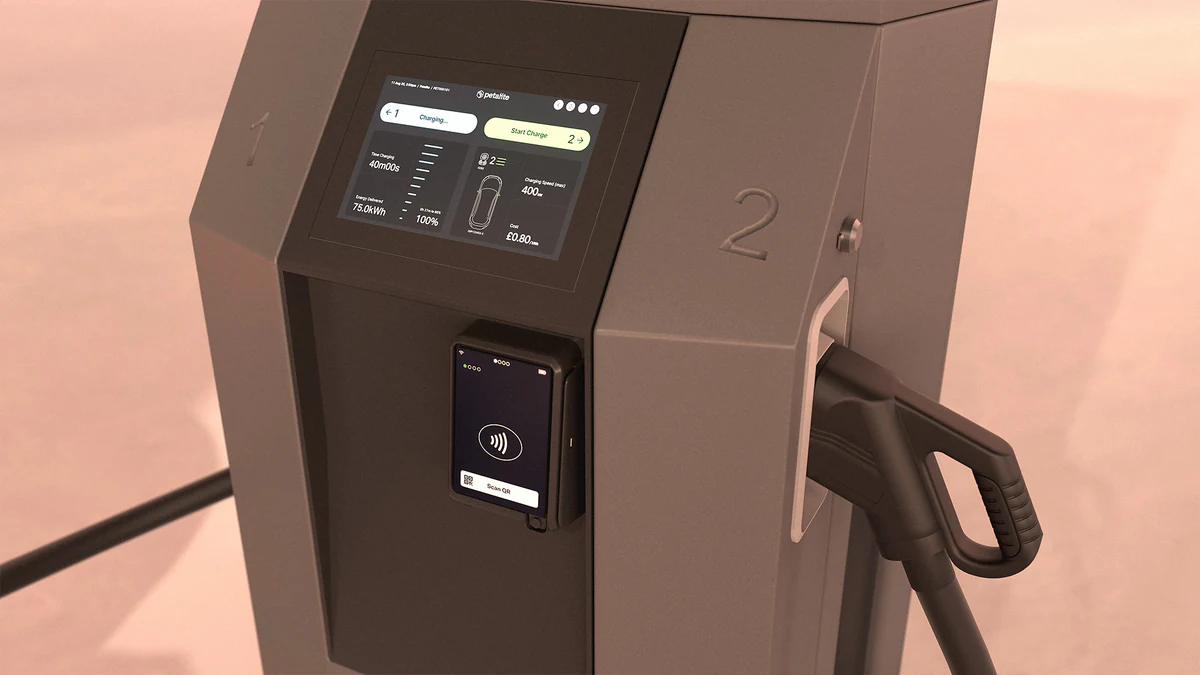
Phone and screen integration.
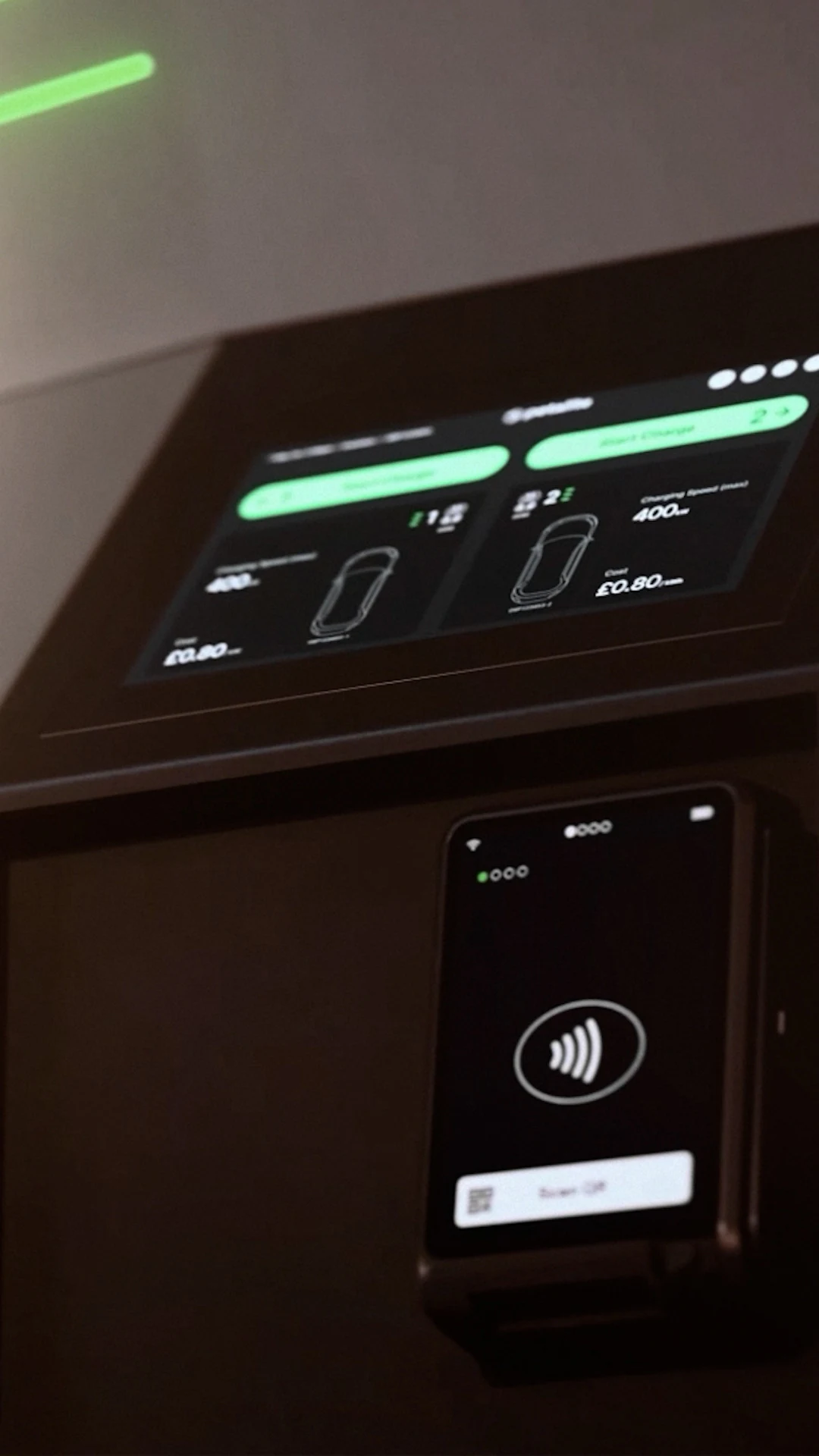
Detail shots covering the screen, the payment flow and the interface, the moments a driver would see.
Scalability animation.
A purpose-built sequence showing how the modular SDC system scales across site footprints.
Modularity animation.
A component-level breakdown of the modular architecture, showing how the units connect.
Vertical product animation.
Mobile-first cuts of the hero film, full-bleed vertical compositions built natively for paid social, stories and trade-show portrait displays.
Marketing-Ready Assets
Lifestyle stills for web, decks and paid.
A library of high-resolution renders produced from the same CGI source, drop-in ready for product pages, investor decks and stakeholder presentations.
Studio Renders
Square cuts, every angle, every panel.
A clean studio set covering each face of the charge post and the SDC cabinet, built for catalogue, product pages and feed-native social.
Vertical Social
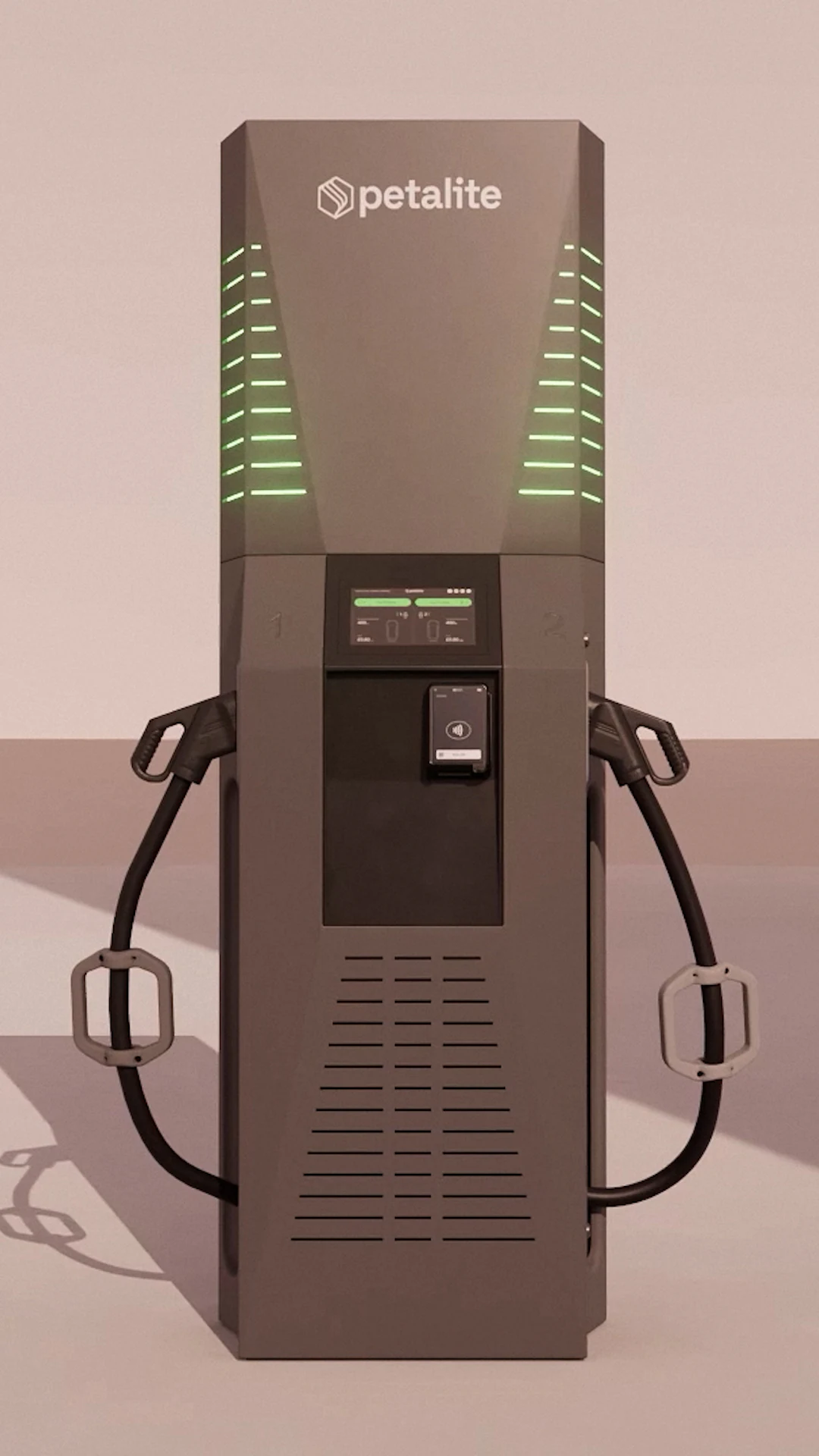
Channel-ready vertical renders.
Native 9:16 stills engineered for Instagram, TikTok and paid social, alternate angles from the same hero source so the visual language stays consistent across every touchpoint.
The process
How we built it.
Storyboard to delivery, the technical and creative stages that turned evolving CAD into investor-ready film.
Turning complex infrastructure into a clear, investor-ready story.
Before animation began, we mapped the full narrative, key messages, camera moments, and the order of information, so the film stayed focused and easy to follow. Storyboards and a simple animatic aligned stakeholders early, so each shot had a clear job: explaining function, scale or value.
From raw engineering data to a clean, animation-ready asset.
We ingested Petalite’s CAD and rebuilt it for production, repairing topology, resolving overlaps, setting real-world scale, and establishing a clear naming and grouping system. That structure kept the project stable as designs evolved and helped keep components consistent across stills, turntables and animation.
One lighting system, two worlds: pristine product and real-world context.
We built flexible lighting rigs for both studio-style hero renders and lifestyle environments. Studio lighting delivered clean form and material separation, while lifestyle setups added believable reflections and atmosphere, without sacrificing legibility of key engineering details.
Realistic cable behaviour that sells the system in seconds.
Cable movement is where EV infrastructure visuals often fall apart, so we treated it as R&D, not an afterthought. We developed a dedicated motion approach for sag, bending, weight and contact, aiming for a believable “installed” feel and clear interaction points.
Built for launch day and beyond, optimised for every channel.
Final assets were delivered in web-ready and campaign-ready formats, including platform-specific cut-downs for social. We supplied clean exports for websites, decks and paid media.
Cable Motion R&D
Greycard passes, locking the cable behaviour.
Before final lighting, the cable motion was reviewed in greycard. These passes let the team and the client check how the cable sags and moves before the final look was added. The review was of the animation, not a test of a physical cable.
The cable
What the cable needed to show.
A charging cable is heavy and flexible, and a viewer notices at once when it moves like a rope or a rod. The film had to show it sagging under its own weight, bending as the connector lifts, and reaching towards the car’s charging port. Each pair below sets a greycard frame beside the matching frame from the finished clip.
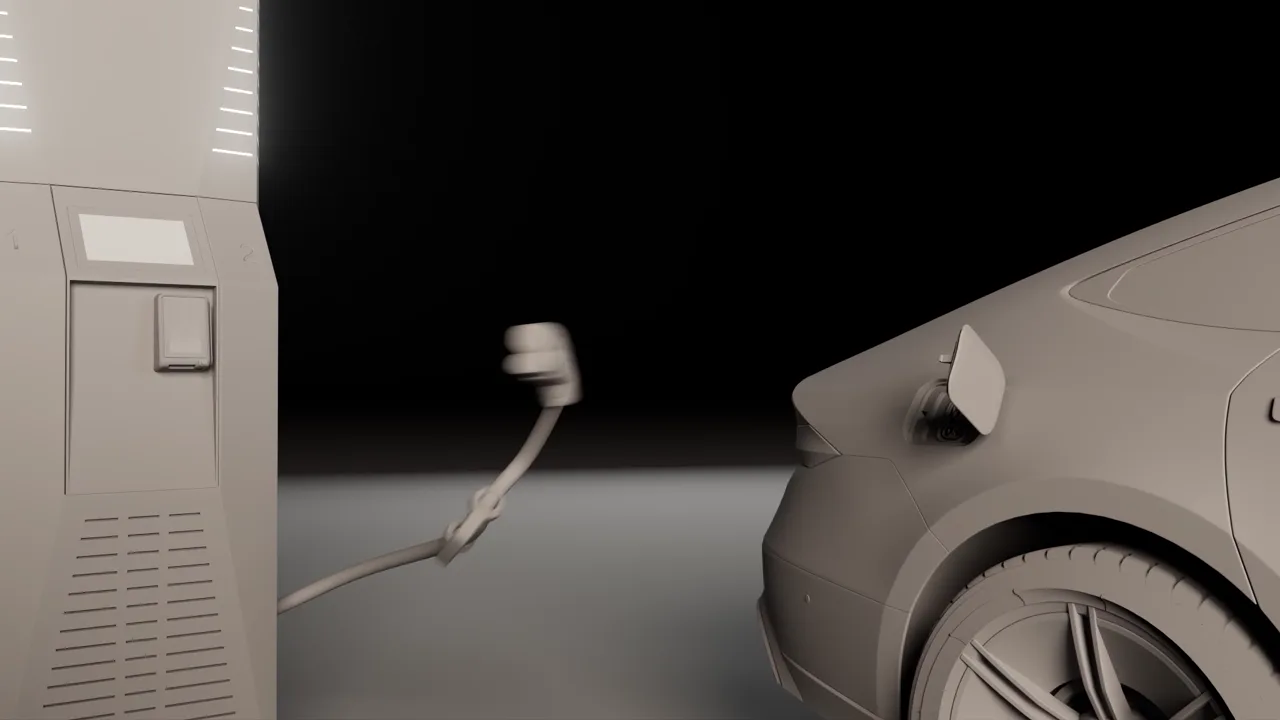
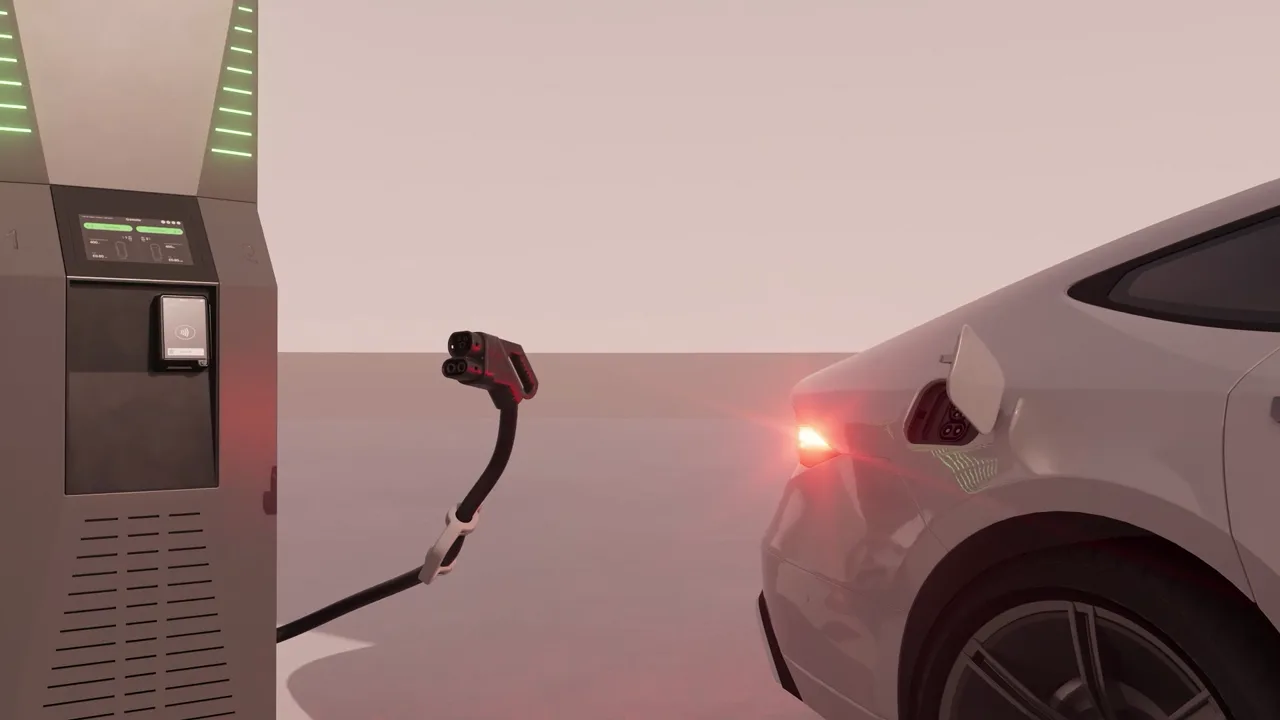
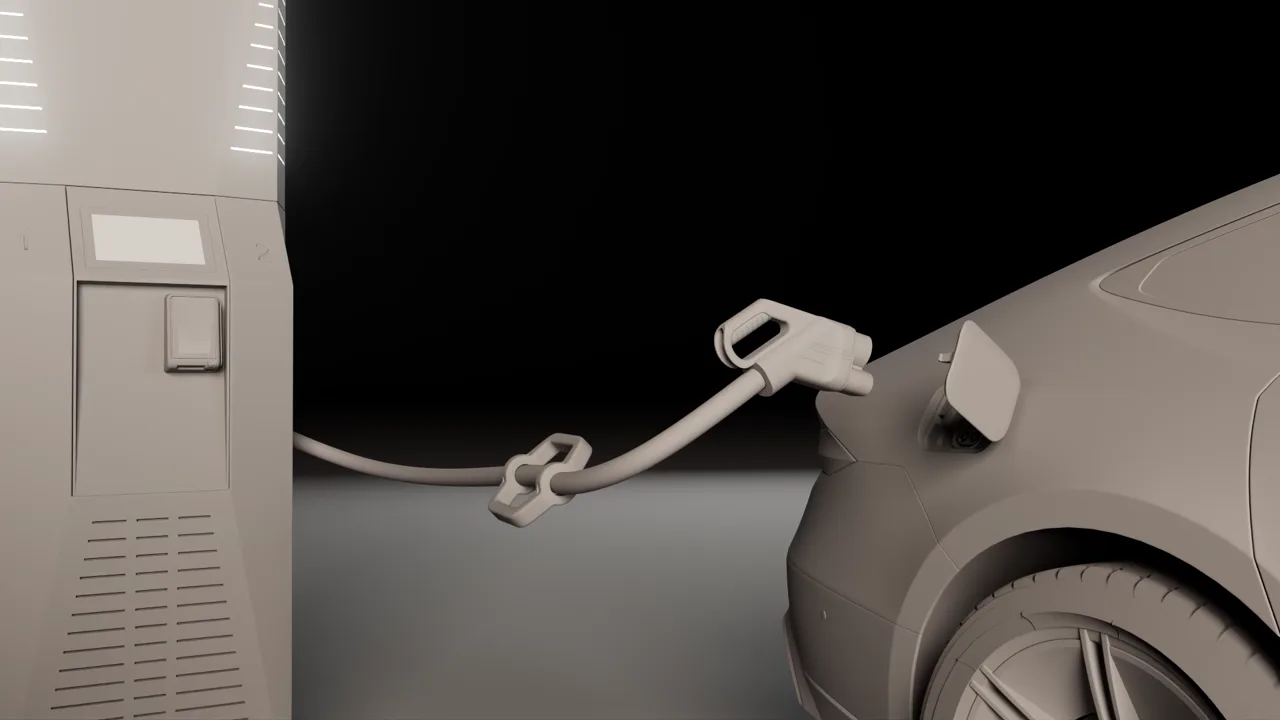
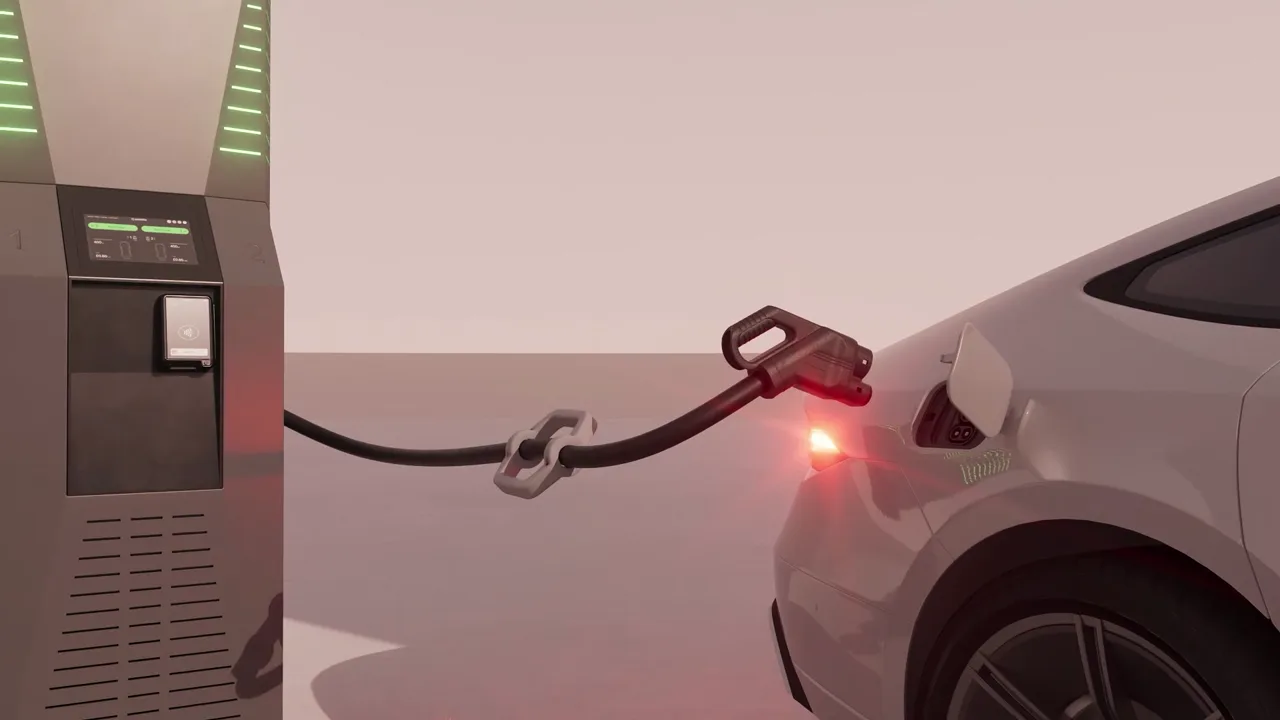
These frames show artistic and product review, not a measurement of cable compliance or bend radius.
Creative input
“XO3D were a fantastic team to work with. They met some aggressive time scales and produced high quality work. They understood our brief well and also gave creative input and additional ideas which were great. We’ll certainly work with them again.”
Review
Reviewing a technical product film.
A technical film is reviewed shot by shot against the product. Ask which product revision and approved dimensions informed each shot, who reviews the mechanism it represents, and which information is illustrative. A CGI film communicates an agreed representation of the product. It does not certify engineering, electrical performance or safe installation. Prepare a technical CGI brief.
What does an EV charger product animation involve?
On this project it started with Petalite’s source CAD, which was cleaned up and rebuilt for production. The motion, including the cable, was reviewed in greycard passes before final lighting. The approved shots were then rendered as finished films and stills, with vertical cuts for social.
Does a CGI film certify how the charger performs?
No. A CGI film communicates an agreed representation of the product. It does not certify engineering, electrical performance or safe installation. The product owner reviews what the film shows, and some details may be illustrative.
What should a technical product brief say?
Say which product revision and approved dimensions each shot should use, who reviews the mechanism being shown, and which details may be illustrative. If the design is still changing, agree who sends updates and which shots they affect.
Your next project
A brief of your own.
Use the Visualising 1,000kW EV Charger Technology project as a reference for the decisions you want to discuss. Identify the product detail, camera treatment or explanation that matters to your own audience, then scope the new work around your product.
A route to consider
Technical CGI
An explanation of a product or mechanism built from approved source information, with technical review before finishing.
Bring these three things.
- What is useful about the Visualising 1,000kW EV Charger Technology reference?
- What is different about your product?
- Where and when does the work need to appear?
5.0 from 76 Google reviewsLovie Awards 2026: Bronze and People's Lovie
Pick a time that suits you. Open the calendar on its own page
Start with an outline. We review the product, intended outputs and timing before agreeing the production scope.
More case studies
Related work.
Nanuskate
Cinematic product CGI for Nanuskate’s modular skate infrastructure, engineered visuals that turn a complex system into a clear premium story.
View case study
Sony
Sony WF-C710 for ImageNova: two short animated segments for the launch commercial, plus rendered colourways composited into product photography.
View case study
ROEST
Premium product film for ROEST’s sample coffee roaster, showcasing engineering precision and material finish to a specialist audience.
View case study
What challenges came up in production?
Studio Commentary.
Timelines were tight throughout, requiring decisive collaboration at every stage of production.
The charger continued to evolve during production. Assets were regularly updated to reflect the latest engineering iterations without losing project momentum.
With minimal visual reference for cable behaviour, we relied on close client collaboration, iterative testing and meticulous attention to detail to land a believable result.