XO3D Studio · Marketing
Digital Marketing for Product Brands: The CGI Playbook
Every digital surface, one 3D source.
Digital marketing is where CGI-led product content earns most of its return. Paid social, PDP, retail media, email, YouTube pre-roll, homepage hero, search-friendly AR. All of it draws from the same 3D asset, at brand-controlled quality, without a photo shoot per channel.
Why CGI-led digital marketing
Every channel. Same source of truth.
Digital campaigns use different aspect ratios, runtimes and layouts. Plan the product message and composition for each placement before producing the final versions.
The commercial case is straightforward. Reuse the launch asset, produce every channel from it, add new creatives as campaigns evolve, keep brand look consistent at every touchpoint.
What's covered
The main varieties, in detail.


Advantages
Why brands commission it.
Every channel, one source.
Paid social, PDP, retail, email and search all draw from the same 3D asset. Change once, everything downstream picks it up.
Cheap per new creative.
Approved product assets can support later campaign versions. Review new messages, compositions and product changes before producing the next set of outputs.
Motion where it wins.
Stills and motion serve different creative tasks. Test the message and format in the actual placement instead of assuming motion will always outperform a still.
Interactive where it converts.
A clearer product view can support inspection and comparison. Any effect on sales, conversion or returns needs evidence from the actual audience, placement and measurement period.
Brand look holds precisely.
Colour, lighting, material and camera all live in software. Every channel outputs at the same brand look, no drift between platforms.
Trade-offs
What to plan for.
Prepare the product source first.
The product asset is prepared before the finished campaign outputs. Agree the first deliverables and likely later uses so the geometry, materials and shot planning support the brief.
Channel-specific craft still matters.
A great paid social edit is not the same as a great PDP hero. CGI removes production friction but the creative and editorial craft per channel is still real.
Fast channel evolution needs discipline.
Platforms change specs, formats and best practices. A CGI-led team needs a plan to refresh cut-downs and re-export at new specs as platforms move.
01
Product source
Confirm the approved revision, dimensions and material references.
02
Purpose and format
Agree what the audience needs to see and where the work will appear.
03
Review and delivery
Name the reviewers and record the outputs and approval dates.
Process
How the work is produced.
- STAGE 1
Channel plan and brief.
Channels, aspect ratios, runtimes, resolutions and success metrics agreed at kick-off. This becomes the deliverable list.
- STAGE 2
Source asset.
Production-ready 3D asset built or reused. Structured for repeat use across every downstream channel.
- STAGE 3
Hero direction.
The hero edit and hero still are directed first. Every downstream channel draws from this direction to keep look consistent.
- STAGE 4
Channel cut-downs.
15s bumpers, 9s reels, vertical stories, square feed, PDP hero, email loops. All cut from the same source, edited to each platform's rhythm.
- STAGE 5
Interactive and search.
AR viewer, configurator, 360 turntable exported from the same source, embedded on the PDP and made search-eligible where relevant.
- STAGE 6
Delivery and refresh.
Approved product assets can support later campaign versions. Review new messages, compositions and product changes before producing the next set of outputs.
Who commissions digital marketing
Built for teams running product across every channel.
Digital marketing, growth and performance leads at consumer, industrial and premium brands. Ecommerce and PDP teams scaling range coverage at brand quality.
Advertising and design agencies delivering integrated multi-channel briefs. In-house teams needing consistent CGI output across paid, PDP, retail and search.
Case studies
Recent work.


Petalite EV charger. Full digital marketing set from one CGI build, PDP, paid social, hero film and lifestyle composites.
View case study

Sony WF-C710 wireless earphones. PDP stills, launch animation, vertical social cut-downs and product-page assets from one CGI asset.
View case study
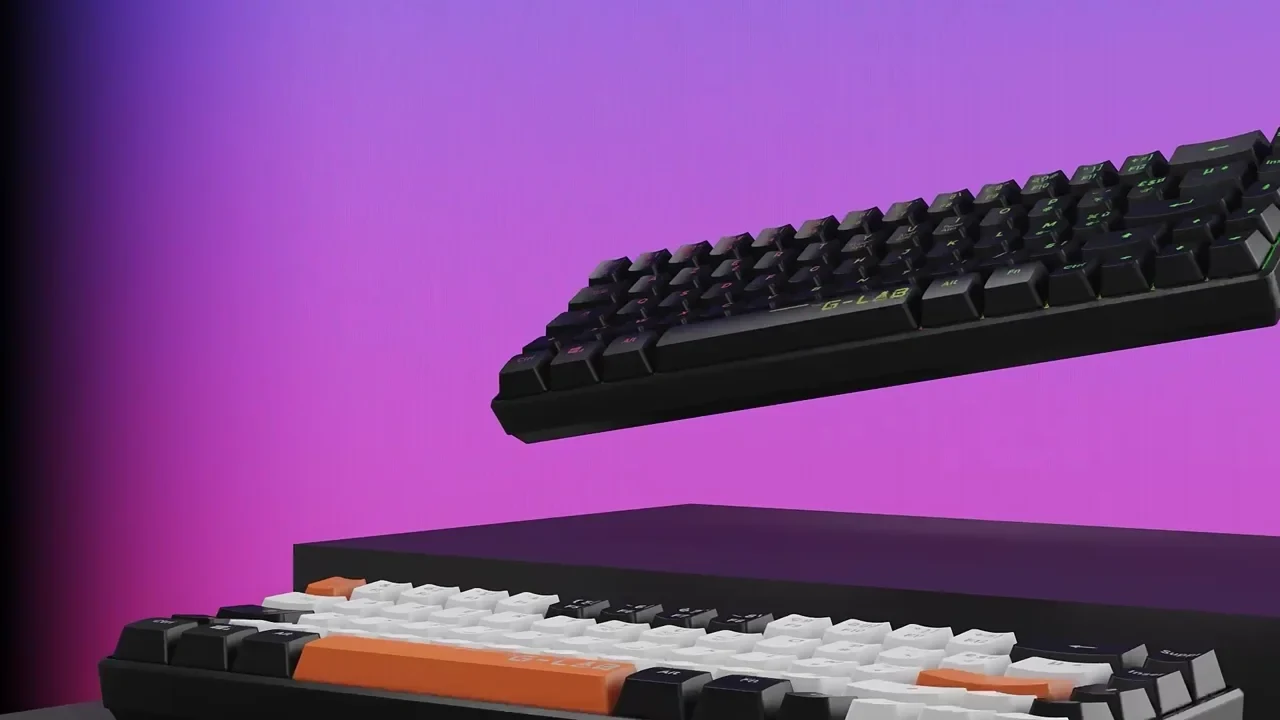
G-Lab gaming keyboard. Multi-channel digital marketing set built from one 3D asset, film, PDP, social, email and search-eligible AR.
View case studyTestimonial
The team at XO3D were a pleasure to work with on one of our big product launches. They rendered, batched, and saved out literally thousands of images for us. Every single one came out perfect.
For a commercial brief, define the channels and campaign moment first, then scope director-led launch visuals around that job. For sibling topics, see product marketing, amazon images and the product AR guide.

FAQ
Common questions, answered.
Where does CGI-led digital marketing earn the biggest return?
Start with the intended buyer action and an existing baseline. Compare results across a defined measurement period, accounting for changes in traffic, placement and the wider campaign.
Can one 3D asset really carry every digital channel?
Yes. Hero film, PDP stills, colourway sweeps, vertical social cut-downs, email loops, retail media, AR viewers and search-eligible assets all draw from the same source. Direction and colour stay consistent throughout.
How should a smaller launch choose its outputs?
Begin with the essential product message and the channels that need it. Scope a focused film or image set first, then identify further outputs that genuinely serve the launch.
How long does a full digital marketing set take?
A typical CGI-led digital marketing set is 6 to 12 weeks depending on scope, product complexity and channel breadth.


Your next project
Connect the creative to the channel.
Define the campaign message and the role of the product imagery. Plan channel versions and a measurement method before commissioning a large set of variations.
A route to consider
Visual Content Partnership
Ongoing creative direction and production for a defined sequence of campaigns, product updates and agreed deliverables.
Bring these three things.
- Which audience and message are being tested?
- What placements need assets?
- How will results be measured?
Start with an outline. We review the product, intended outputs and timing before agreeing the production scope.