
XO3D Studio · 3D Modelling
3D Modelling: Types, Uses and Downstream Deliverables
The foundation of every downstream deliverable.
3D modelling turns approved CAD, drawings or design references into a production asset. Film, stills and interactive experiences have different detail and performance requirements, which should be defined before the build.
Why 3D modelling
One model. Every downstream format.
3D modelling is the foundation of every CGI deliverable. It captures product geometry, hierarchy and material intent so the asset behaves predictably across stills, animation, interactive and AR.
The disciplines below cover the shapes 3D modelling takes across product, furniture and interior categories at XO3D. Each earns its keep in a different downstream context. Most launches use several together.
What's covered
The main varieties, in detail.


Advantages
Why brands commission it.
One model, every deliverable.
Stills, animation, configurator, AR, VR and web all draw from the same production-ready 3D asset.
Plan controlled product variations.
An approved model can support further finishes and configurations. Each change still needs suitable source information, material review and output checks.
Design errors caught early.
Interference, poor proportion and manufacturability issues flag at modelling stage, before tooling commits.
Launch before manufacture.
With clean CAD source, campaign imagery, film and interactive assets run before physical product ships.
Configurator and AR ready by design.
Material slots, hierarchy and topology set at modelling stage enable configurators and AR without re-modelling.
Process
How the work is produced.
- STAGE 1
Brief and source data.
CAD, drawings, dimensions, materials and reference gathered. Deliverable set agreed.
- STAGE 2
Blockout and proportions.
Low-detail blockout locks silhouette, proportion and scale.
- STAGE 3
Detailed modelling.
Full topology, geometry and hardware built. Real-world unit accuracy throughout.
- STAGE 4
UVs, materials and hierarchy.
UVs unwrapped, materials structured for variant swap, hierarchy set for animation and configurator use.
- STAGE 5
Review and refine.
Draft renders and turntables for review. Feedback applied in structured passes.
- STAGE 6
Handover and reuse.
Model archived alongside its material library, ready for downstream reuse.
Who commissions 3D modelling
Built for teams shipping the launch.
Product designers and engineers producing visualisation from CAD. Brand marketing directors managing product launches.
Advertising and design agencies delivering integrated launch briefs. Furniture, homeware and jewellery brands scaling PDP and configurator experience.
Case studies
Recent work.


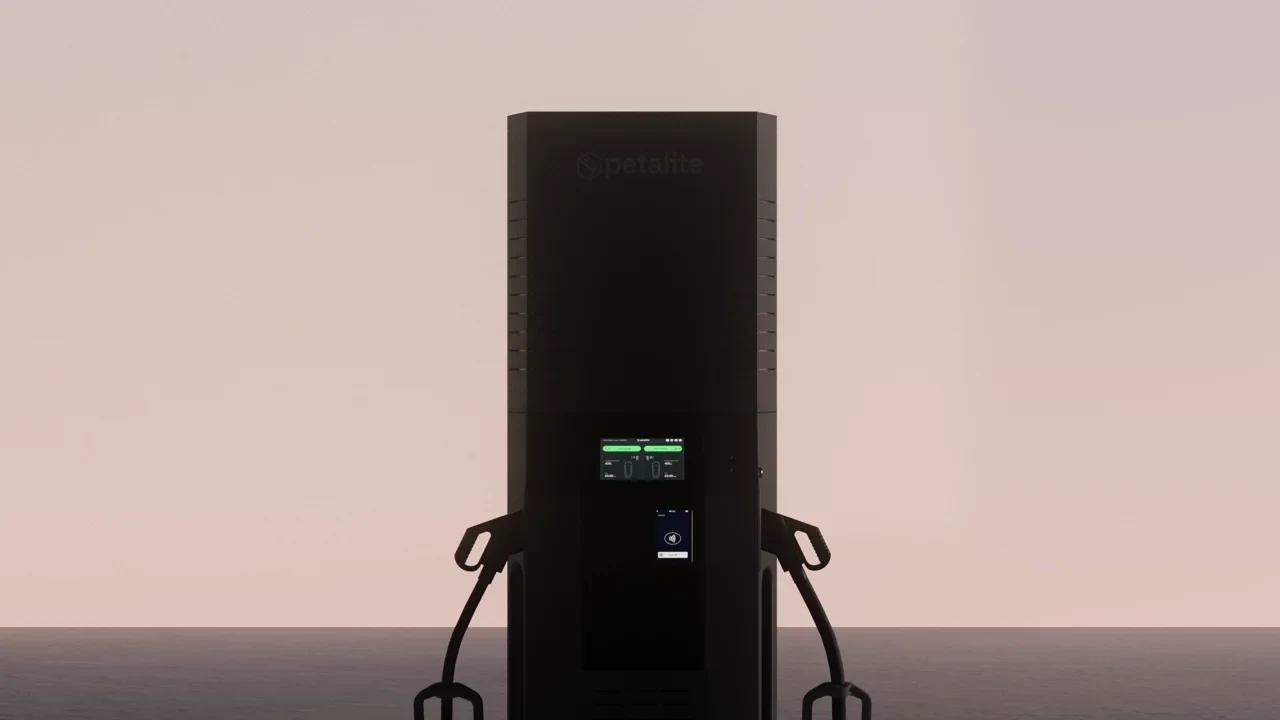
Petalite EV charger. Production-ready model driving hero stills, animation and exploded views for launch.
View case study


Sony WF-C710 wireless earphones. One production-ready model driving launch animation, stills and PDP assets.
View case study

G-Lab gaming keyboard. Precision hard-surface modelling driving hero film, stills and interactive content.
View case studyTestimonial
The team at XO3D were a pleasure to work with on one of our big product launches. They rendered, batched, and saved out literally thousands of images for us. Every single one came out perfect.
For a deeper dive, see our guides on product modelling, furniture modelling and preparation tips for superior renders. For a commercial brief, define the launch moment and required deliverables first, then scope director-led modelling around that job.

FAQ
Common questions, answered.
What is 3D modelling?
3D modelling is the process of building a digital representation of a product, room or object using CAD or 3D software. The model captures geometry, hierarchy and material intent.
Which 3D modelling discipline is right for my project?
Product modelling for consumer and industrial hardware. Furniture modelling for silhouette-plus-fabric ranges. Interior modelling for spatial environments. Jewellery modelling for macro-grade fine detail. Most launches use several.
Can models be produced before a product exists?
Yes. With clean CAD or design intent, 3D models can be produced before physical product ships or building is constructed.
How long does a 3D modelling project take?
A hero product model is typically 1 to 3 weeks. A full production-ready build ready for stills, animation, configurator and AR reuse is typically 3 to 6 weeks.

Your next project
Define the model's first use.
A model should be built for the views, movements and output it needs to support. Set scale, hierarchy and visible detail around that purpose before modelling begins.
A route to consider
Master Asset Build
One product built to production standard, with materials, lighting and a directed hero deliverable. Further uses are scoped around that foundation.
Bring these three things.
- What source geometry exists?
- What will the asset be used for?
- Which parts need independent movement?
Start with an outline. We review the product, intended outputs and timing before agreeing the production scope.