

XO3D Studio · 3D Animation
Product 360: Full Rotation Experiences on PDP and Social
The full rotation. In the buyer's hands.
A product turntable presents a series of views around the product. Agree whether rotation is automatic or user-controlled, which angles matter and what should appear when interaction is unavailable.
Overview
Buyers get every angle. Confidence follows.
Static product photography shows the angles the photographer chose. Product 360 lets buyers choose their own. The difference matters most on considered-purchase categories where scale and finish drive the decision.
Delivered as an interactive turntable on the PDP, a spherical view or a frame-sequence animation, all driven from the same 3D asset.
What's covered
The main varieties, in detail.

Advantages
Why brands commission it.
Confidence at the point of decision.
Buyers who see every angle before adding to basket are more confident about the purchase.
Show the product in context.
A clearer product view can support inspection and comparison. Any effect on sales, conversion or returns needs evidence from the actual audience, placement and measurement period.
Dwell time up.
Interactive elements measurably increase PDP dwell time and reduce bounce.
One asset, multiple 360 formats.
Same 3D source drives interactive turntable, auto-play showreel, spherical and colourway-linked variants.
Trade-offs
What to plan for.
Frame count vs bandwidth.
More frames means smoother rotation but larger download. Balance to product complexity.
Requires production-ready 3D asset.
360 depends on a 3D model. Photography-only products need modelling first.
Not every product benefits.
Simple, symmetric products get less from 360 than complex or asymmetric ones.
Configurator integration adds complexity.
Combining 360 with colourway or configurator adds engineering work.
Process
How the work is produced.
- STAGE 1
Brief and format.
Interactive turntable, spherical, auto-play or colourway-linked. Format decided by product and PDP goal.
- STAGE 2
3D asset preparation.
Model prepped for 360 rendering. Materials, lighting and hero-view considerations locked.
- STAGE 3
Frame render.
Batch render of every frame in the rotation. Typically 36 to 72 frames for a full 360.
- STAGE 4
Optimisation.
Frames compressed and packaged for web delivery. Bandwidth and quality balanced per platform.
- STAGE 5
Embed and integrate.
Turntable component embedded on the PDP, tested across devices.
- STAGE 6
Launch and iterate.
Analytics on rotation completion and dwell time feed the next iteration.
Who this is for
Built for teams shipping the launch.
Ecommerce and PDP teams at brands with considered-purchase products. Direct-to-consumer brands scaling PDP experience.
Agencies delivering PDP enhancements. In-house creative teams supporting product-page conversion.


Testimonial
The team at XO3D were a pleasure to work with on one of our big product launches. They rendered, batched, and saved out literally thousands of images for us. Every single one came out perfect.
For sibling topics, see product turntables and product AR.

FAQ
Common questions, answered.
What is a product 360?
An interactive rotation of the product on the PDP, letting buyers control the angle and inspect from every side.
How many frames does a 360 need?
Typically 36 to 72 frames for smooth rotation. More frames means smoother but heavier download; balance to product complexity.
Can 360 experiences run on mobile?
Yes. Frame-sequence turntables run smoothly on modern mobile browsers. WebGL 360 works too for real-time control.
How long does a 360 project take?
1 to 3 weeks with a production-ready 3D asset. Longer from scratch or CAD.


Your next project
Choose rotation or a directed film.
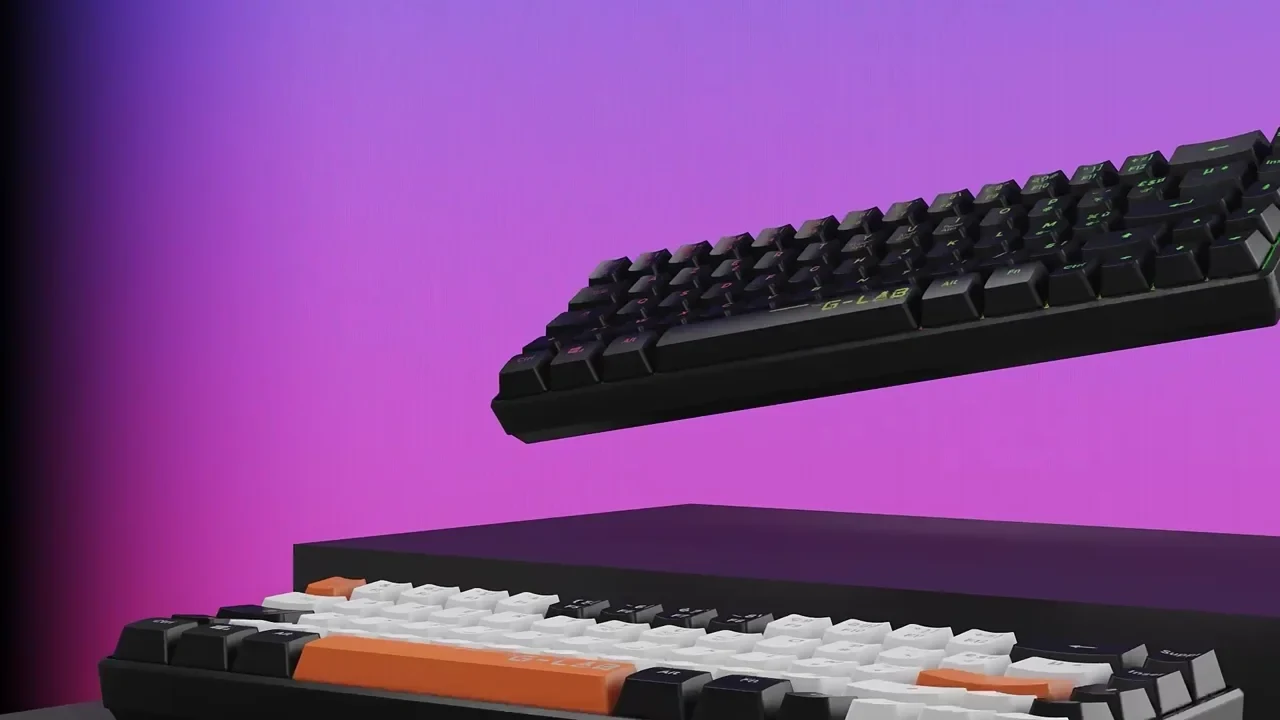
A fixed turntable is useful for consistent inspection; an interactive rotation lets the visitor choose the angle. Define which behaviour you need before production. The film reference below shows product detail rather than interactive delivery.
A route to consider
Product interactives
A product experience scoped around a useful interaction, supported devices, model performance and a clear fallback.
Bring these three things.
- Is rotation automatic or user-controlled?
- Which angles need inspection?
- What devices and fallback are required?
Start with an outline. We review the product, intended outputs and timing before agreeing the production scope.