

Service
Augmented Reality Services.
Product AR scoped around a useful interaction, approved product dimensions and the devices your audience uses.
Start a conversationSelected clients


Augmented reality built for every industry.
Augmented reality places an accurate 3D version of a product into the customer's own environment, at true scale, through a phone or a browser. XO3D is a specialised 3D studio, founded in 2017 and based in Stevenage, UK, building AR experiences for brands across ecommerce and retail. Working from CAD, the studio produces an optimised model with physically based materials, then delivers it for the platforms agreed at the outset, across iOS, Android and WebAR. Typical applications include placing furniture in a room to judge scale and fit, and jewellery try-on, where proportion decides the purchase. The commercial case is straightforward: when a buyer can see the actual product in their actual space before committing, the decision is made with better information. Model preparation, tracking method, interaction and platform support are defined as part of the brief rather than assumed.
Why it works
Why brands use augmented reality.
Show products in context.
Let buyers view scale and placement in their own environment before they make a decision.
Support buyer confidence.
Use accurate models and clear interaction design, then measure the result against the site's own baseline.
95% prefer interactive content.
Interaction can give the visitor control over the view or selected options. Test whether that control helps answer the product question.
Works on every device.
iOS, Android and WebAR, supported natively without app downloads on most modern phones.
What we deliver
Scope the right outputs.
Product AR
Bring next-level immersion to your online store. Specifically designed for ecommerce, letting buyers preview products through their phone or browser to decrease basket drop-off.

Jewellery AR
Let customers try on rings, necklaces and accessories from any device, increasing buying confidence for premium jewellery brands.

Furniture AR
Preview furniture placement using an approved model on supported devices. Agree scale, interaction and fallback requirements.
Process
Our augmented reality process.
- 01
Share the brief.
Send CAD files, sketches, reference imagery or a written brief outlining the product and target platform.
- 02
Define the AR experience.
We agree the AR scope, platforms (iOS / Android / WebAR), interaction model, customisation, before development.
- 03
Build and refine.
The AR experience is built and reviewed through structured stages, with test previews on real devices at every milestone.
- 04
Deliver and embed.
USDZ, GLB and WebAR files prepared for your platform. We support implementation into your existing site or app.
FAQ
Common questions, answered.
What is augmented reality?
How does AR work?
What are AR's applications?
What devices support AR?
What's the difference between AR and VR?
How is AR used in marketing?
Your next project
Start with a device and a use case.
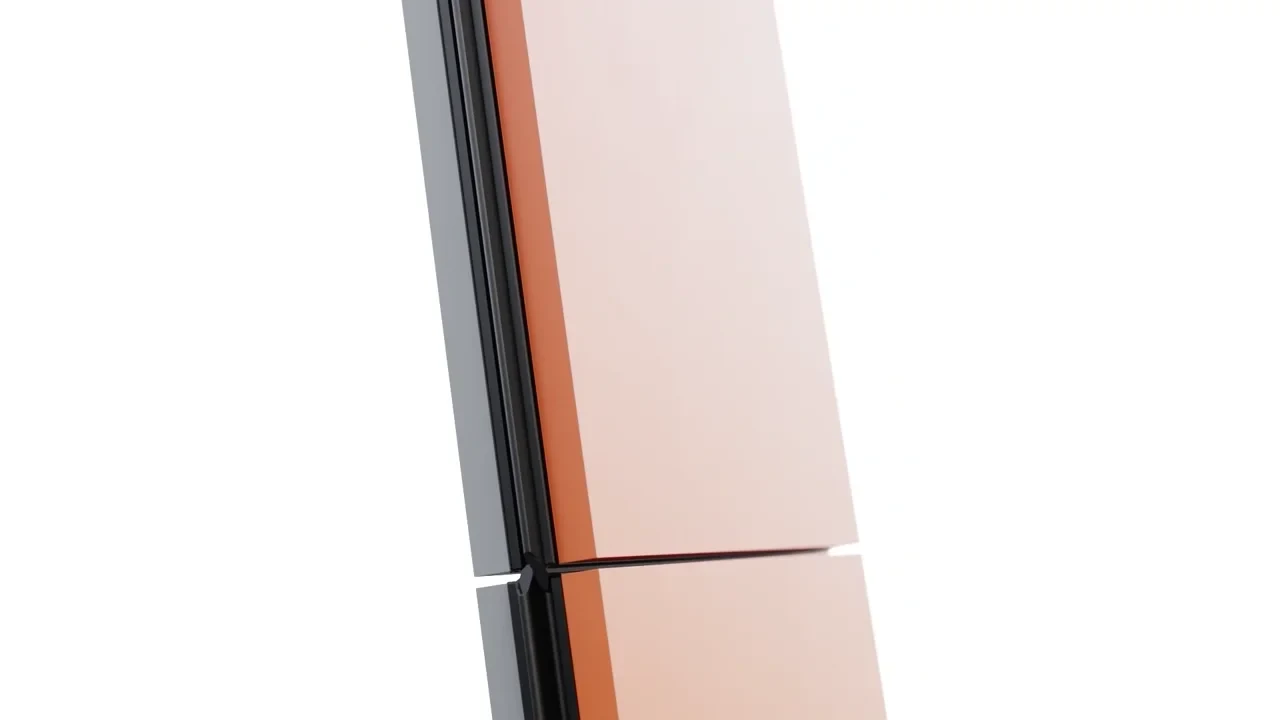
Placement, rotation and try-on are different experiences. Confirm the supported hardware, scale behaviour and fallback before committing to an AR build. The Modulite film below is spatial product evidence, not proof of AR delivery.
A route to consider
Product interactives
A product experience scoped around a useful interaction, supported devices, model performance and a clear fallback.
Bring these three things.
- What should the user do in AR?
- Which devices must work?
- What static or 3D fallback is required?
Start with an outline. We review the product, intended outputs and timing before agreeing the production scope.
About the studio
XO3D is a director-led product CGI studio, incorporated as XO3D Ltd in 2019 (UK Companies House 11876020). Founded by Thomas Howcroft (Founder and Creative Director) and Alex Mann (Co-Founder and Managing Director). Based at the Business and Technology Centre in Stevenage, UK, with representation at 244 Fifth Avenue, New York. We work with tech, industrial and premium consumer brands on product films, launch stills and interactive experiences.