
Product films, launch visuals and interactive experiences.

Tell us about your brief Book a 15-minute call
View all pages

XO3D Studio · Industry

Product CGI for Medical & Health Technology.

Product form, materials and approved features, clearly communicated for the people who need to understand them.

Medical and health technology imagery needs a clear intended use. Establish the audience, product version and approved messages before selecting shots. Keep physical device explanation separate from claims about clinical performance.

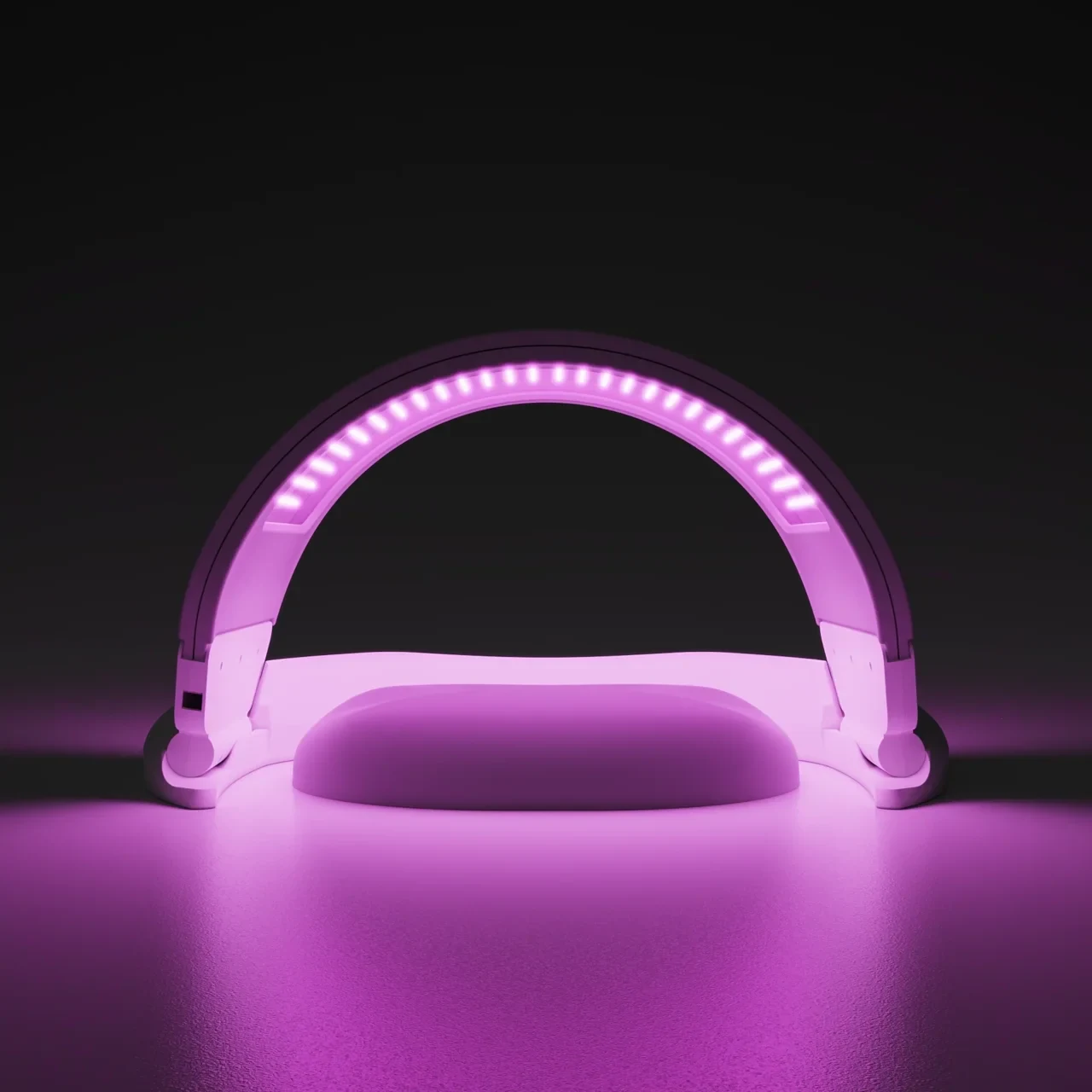
The published Dermalux work shows product CGI for LED phototherapy devices, including Flex MD, Flex Mini and Compact MD. Explore the case studies for the actual films and stills.

Explore the product CGI stills and technical CGI services that underpin our medical work.

Medical and health tech CGI, Dermalux by XO3D Studio
Dermalux device CGI by XO3D. Product form and materials shown through controlled lighting.

The sector challenge

What medical and health tech CGI demands.

Product Review

Product details reviewed with your team

Agree the product reference, intended audience and approved claims. Device geometry, labels and operation should be reviewed by the people responsible for the product. A visual review is not clinical or regulatory validation.

Consumer Aspiration

A clear visual story for the intended audience

Medical devices sold in consumer channels, wellness technology, aesthetic devices, wearable health products, also need to compete visually with premium consumer electronics and beauty brands. The clinical credibility cannot come at the cost of the visual desire that drives consumer purchase decisions.

Featured work

Dermalux, LED Phototherapy Devices.

Explore the published Dermalux device films and stills. The work demonstrates physical product communication and material presentation; it is not evidence of clinical efficacy or regulatory approval.

  • 3 Products
  • Clinical + Consumer
  • Multi-Channel Delivery

FAQ

Medical CGI questions.

Do you work with medical device regulatory requirements?
Share the intended use and required review process at brief stage. XO3D can scope product imagery against approved source information. The client and its qualified reviewers retain responsibility for clinical claims, regulatory suitability and final approval.
Can you produce imagery for both clinical and consumer channels from the same project?
Suitable source assets can support different channel formats. Each audience, message, crop and deliverable needs an agreed brief and the appropriate review.
Do you sign NDAs for medical device projects?
Yes. XO3D signs NDA before reviewing any files as standard on medical projects. Device specifications, pre-launch product designs, and clinical documentation are treated with complete confidentiality.

Start the conversation

Working on medical or health technology CGI?

Tell us about the device, the audiences it needs to communicate to, and what the imagery needs to achieve. We'll tell you how we'd approach the dual-audience challenge.
Planning your project

Precision in what you show.

A medical or health technology product needs careful visual communication. The form, controls and intended explanation must agree with the approved product information.

XO3D creates device films and stills that make physical design and product features clear. The brief defines the audience, permitted claims and review responsibilities.

Tell us about your brief
Dermalux Flex MD light therapy device shown in CGI
Dermalux Flex MD. Explore the project

Give each audience the right view.

A distributor may need a clear product overview. A practitioner may need to inspect a control or arrangement. A consumer-facing campaign may need to communicate form and use context.

Those needs should shape the shot list. They should not lead to invented efficacy, clinical results or regulatory status.

Make the device specific.

Use the correct model, dimensions, material references, labels and screen states. Identify which details are final and which remain subject to change.

Lighting and composition should reveal the product accurately. Close-up work needs the same attention to approved physical detail as the hero frame.

Define the approval route.

Nominate the product and claims reviewers before production. Review the model, sequence, captions and final outputs against the agreed source.

Marketing CGI does not establish clinical effectiveness or regulatory approval. If an animation is intended as a procedure or training aid, it needs a separately defined review scope.

Relevant device work.

Explore the published Dermalux Flex MD case for an example of product animation and the visual treatment of a physical device. The case is creative-production evidence, not independent clinical substantiation.

Device brief questions.

Can you visualise an internal mechanism?

Where adequate source information and an approved explanation exist, the required view can be assessed and scoped.

Can the same assets serve different audiences?

Suitable assets can support different edits, labels and contexts. Each audience version needs its own approved communication brief.

Start with the device and the audience.

Share what needs to be shown and who will approve the product information.

Updated

About the studio

XO3D is a director-led product CGI studio, incorporated as XO3D Ltd in 2019 (UK Companies House 11876020). Founded by Thomas Howcroft (Founder and Creative Director) and Alex Mann (Co-Founder and Managing Director). Based at the Business and Technology Centre in Stevenage, UK, with representation at 244 Fifth Avenue, New York. We work with tech, industrial and premium consumer brands on product films, launch stills and interactive experiences.